Can You Get Pregnant From Pre-cum? And Other Pregnancy Myths

By Dr. Meera Iyer
Gynecologist & Sexual Health Educator · MBBS, MS (OBG), Mumbai
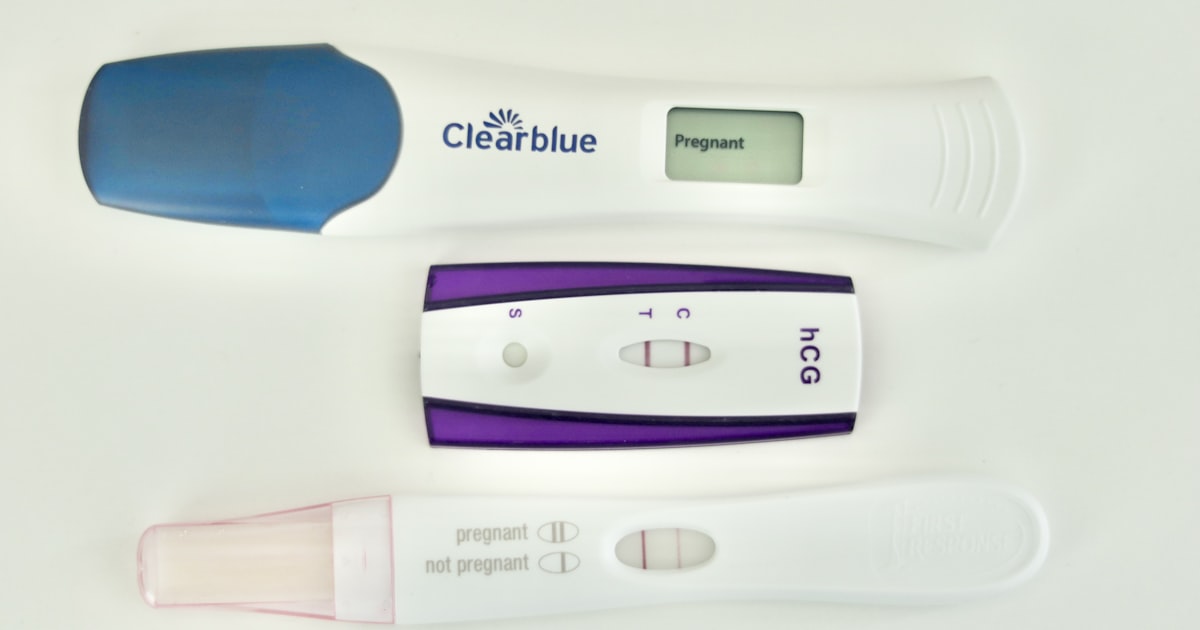
This might be the most commonly googled sex question in India -- and understandably so. You had a moment, things got heated, and now you're in panic mode wondering if pre-ejaculatory fluid (pre-cum) can actually cause pregnancy.
Let's cut through the myths with actual science.
What Is Pre-cum (Pre-Ejaculatory Fluid)?
Pre-ejaculatory fluid -- commonly called pre-cum -- is a clear, colourless fluid that comes out of the penis during sexual arousal, before ejaculation. It's produced by the Cowper's glands (bulbourethral glands), which are small glands located below the prostate.
What pre-cum does:
- Lubricates the urethra for smoother passage of semen
- Neutralises the acidity of the urethra (leftover from urine) to protect sperm
- Provides some lubrication during sex
Pre-cum is not the same as semen. It comes from different glands and serves a different purpose. But the critical question is: does it contain sperm?
The Science: Does Pre-cum Contain Sperm?
This is where it gets interesting, because the research has evolved significantly.
As of 2026, only about six human studies have directly examined sperm content in pre-ejaculatory fluid. Here's what they found:
Study 1 (Killick et al., 2011, Human Fertility):
- 27 male participants provided pre-ejaculate samples
- 41% (11 out of 27) had sperm in their pre-cum
- In 37% of cases, a "reasonable proportion" of the sperm was motile (capable of swimming)
Study 2 (2024, Contraception journal):
- 24 participants provided 70 paired pre-ejaculate and ejaculate samples
- Sperm was identified in 12.9% (9 out of 70) of pre-ejaculate samples
- Only 7 of those samples contained sperm at concentrations posing "significant clinical pregnancy risk"
- 25% of participants had sperm detected in at least one pre-ejaculate sample
Other studies:
- Three earlier studies found zero sperm in pre-cum, but had small sample sizes and methodological limitations
- The variation in results likely reflects differences in collection timing and methods
So, Can Pre-cum Cause Pregnancy?
The honest answer: Yes, it's possible, but the risk is lower than from ejaculation.
Here's how to think about it:
- Between 13% and 41% of men have sperm in their pre-ejaculatory fluid (depending on the study)
- Not all of these sperm are motile or present in high enough concentrations to be a major risk
- But if you're ovulating and motile sperm reaches the egg, one sperm is all it takes
Dr. Suneeta Mittal, former Head of Obstetrics and Gynaecology at AIIMS New Delhi and Fellow of the Royal College (UK), has stated: "While the probability of pregnancy from pre-ejaculatory fluid alone is low, it is not zero. Any sexual contact involving genital fluids carries some risk of pregnancy if no contraception is used. We should not reassure patients that pre-cum is 'safe.'"
The Pull-Out Method: How Risky Is It Really?
The withdrawal (pull-out) method -- where the man withdraws his penis before ejaculation -- is one of the oldest and most widely used "methods" of contraception. But how effective is it?
Failure Rates
| Perfect Use | Typical Use | |
|---|---|---|
| Withdrawal | 4% failure (96% effective) | 20-27% failure (73-80% effective) |
| Male Condom | 2% failure (98% effective) | 13% failure (87% effective) |
| No Method | 85% failure | 85% failure |
What this means in real numbers: Out of 100 couples relying on withdrawal for a year:
- With perfect use: about 4 will get pregnant
- With typical use: 20-27 will get pregnant
The gap between perfect and typical use is huge because withdrawal is extremely difficult to execute perfectly every single time. Alcohol, arousal, inexperience, and simply not pulling out in time all contribute to failure.
According to Planned Parenthood: "About 22 out of 100 people who use withdrawal get pregnant every year -- that's about 1 in 5."
Why Withdrawal Is Unreliable
- Pre-cum may contain sperm (as discussed above)
- Timing is incredibly difficult -- ejaculation can happen faster than expected
- Multiple rounds complicate things -- if you've recently ejaculated, residual sperm in the urethra can be picked up by pre-cum
- Alcohol and arousal impair judgment -- self-control is hardest when it's needed most
- No STI protection -- withdrawal does nothing against sexually transmitted infections
Dr. Prakash Kothari, former Head of Sexual Medicine at KEM Hospital, Mumbai, and one of India's pioneering sexologists, has noted: "The withdrawal method is better than no method at all, but it should never be relied upon as a primary contraceptive, especially for young people. The failure rate with typical use is simply too high. I always recommend it as a backup alongside a reliable method, never as the sole method."
8 More Pregnancy Myths Busted
Myth 1: "You can't get pregnant the first time you have sex"
Fact: You absolutely can. Pregnancy can occur any time sperm meets egg, whether it's your first sexual experience or your hundredth. According to NFHS-5 data, India sees about 11.8 million teenage pregnancies per year, many of them from first or early sexual encounters without contraception.
Myth 2: "You can't get pregnant if the woman is on top"
Fact: Position has zero effect on pregnancy risk. Sperm are capable swimmers and can reach the egg regardless of gravitational direction. No sexual position prevents pregnancy.
Myth 3: "You can't get pregnant during your period"
Fact: While the probability is lower, it's not zero. Sperm can survive inside the female reproductive tract for up to 5 days. If you have a short menstrual cycle and ovulate early, sperm from sex during your period could still fertilise the egg. Women with irregular periods are at higher risk since they may not know when they're ovulating.
Myth 4: "Urinating after sex prevents pregnancy"
Fact: Urination has no effect on pregnancy risk. The urethra (where urine exits) and the vagina are separate openings. Sperm that enters the vagina is unaffected by urination. However, urinating after sex IS recommended for reducing the risk of urinary tract infections (UTIs) -- a good practice, just not a contraceptive one.
Myth 5: "Douching or washing after sex prevents pregnancy"
Fact: Douching (washing the vagina internally) does not prevent pregnancy. By the time you douche, sperm may have already entered the cervix. In fact, douching can actually push sperm further up the reproductive tract and also disrupts the vagina's natural pH balance, increasing infection risk. The WHO advises against douching entirely.
Myth 6: "You can't get pregnant if you don't orgasm"
Fact: Female orgasm has no relationship to pregnancy risk. Ovulation is a hormonal process that happens regardless of whether you experience pleasure during sex. This myth likely comes from outdated and incorrect beliefs about female biology.
Myth 7: "Jumping up and down or doing exercises after sex prevents pregnancy"
Fact: No physical activity after sex can prevent sperm from reaching the egg. Sperm enter the cervix within seconds of ejaculation. No amount of jumping, squatting, or exercise will remove them.
Myth 8: "Herbal remedies or home remedies can prevent pregnancy"
Fact: No herbal tea, papaya seed, neem preparation, or home remedy has been scientifically proven to reliably prevent pregnancy. Relying on these is like relying on luck. If you don't want to get pregnant, use a proven contraceptive method.
A study published in the journal Reproductive Health found that women in India with incorrect knowledge of the ovulatory cycle have a 20% higher chance of unintended pregnancy. Understanding how your body works is itself a form of protection.
What Actually Prevents Pregnancy
If you're sexually active and want to avoid pregnancy, these are your evidence-based options:
| Method | Typical Effectiveness | STI Protection |
|---|---|---|
| Copper IUD | 99%+ | No |
| Hormonal IUD | 99%+ | No |
| Injectable (DMPA) | 96% | No |
| Birth control pill | 93% | No |
| Centchroman (Saheli) | 97% | No |
| Male condom | 87% | Yes |
| Female condom | 79% | Yes |
| Emergency pill (within 72 hrs) | 58-95% | No |
| Withdrawal | 78% | No |
| No method | 15% | No |
Best practice: Use condoms (for STI protection) alongside a more effective method (pill, IUD, injectable) for maximum pregnancy prevention. This is called dual protection.
On Samjho, you can watch short video explainers on each contraceptive method, including how they work, how to use them, and common mistakes to avoid.
What to Do If You Think You Might Be Pregnant
If you've had unprotected sex or a contraceptive failure:
Immediately (within 72 hours):
- Take an emergency contraceptive pill (i-Pill, Unwanted 72) -- available over the counter at any pharmacy
- The sooner you take it, the more effective it is (95% within 24 hours, dropping to 58% at 72 hours)
If it's been more than 72 hours:
- A copper IUD can be inserted by a doctor within 5 days of unprotected sex (over 99% effective)
If your period is late:
- Take a home pregnancy test (available at any pharmacy for Rs 50-150) on the first day of your missed period or later
- Morning urine gives the most accurate result
- If positive, consult a gynaecologist to discuss your options
If you are pregnant and don't want to be:
- Medical termination of pregnancy (MTP) is legal in India up to 24 weeks under the MTP Amendment Act, 2021
- You must consult a registered medical practitioner
- Government hospitals offer MTP services at low or no cost
Frequently Asked Questions
Can you get pregnant from dry humping or grinding with clothes on?
No. If both partners are wearing clothing that covers the genitals, pregnancy is not possible. Sperm cannot travel through fabric. However, if there's skin-to-skin genital contact with ejaculate or pre-cum present, the risk is low but not zero.
Can sperm survive on surfaces like toilet seats?
No. Sperm die very quickly once exposed to air, typically within minutes. You cannot get pregnant from a toilet seat, swimming pool, hot tub, or surface that someone has touched.
If I take emergency contraception, do I still need to use protection afterward?
Yes. Emergency contraception only covers the unprotected sex that already happened. It doesn't provide ongoing protection. Use regular contraception going forward.
Can you get pregnant from oral sex?
No. The digestive tract and the reproductive tract are completely separate systems. Swallowing semen cannot cause pregnancy.
How soon after sex can I take a pregnancy test?
Most home pregnancy tests are accurate from the first day of your missed period (about 2 weeks after conception). Testing too early may give a false negative. If you test negative but your period still doesn't come, test again in a week.
The Bottom Line
Can pre-cum get you pregnant? The evidence says the risk is real but relatively low. But "relatively low" is not the same as "impossible," and if you're not ready for a child, "relatively low" shouldn't be a risk you're willing to take.
The withdrawal method is better than nothing, but it's significantly less effective than condoms, pills, IUDs, or any other modern contraceptive. If you're relying on "pulling out" as your main protection, you're playing a probability game with real consequences.
Use real contraception. Every time.
Disclaimer: This article is for educational purposes only and does not constitute medical advice. Always consult a qualified healthcare provider for decisions about contraception and pregnancy. Sources include peer-reviewed medical research from PMC, WHO guidelines, and NFHS-5 national health data.
Sources:
- Sperm content of pre-ejaculatory fluid -- PMC (Killick et al., 2011)
- Low to non-existent sperm content of pre-ejaculate in perfect-use contraceptive withdrawal -- Contraception (2024)
- Pre-ejaculate sperm detection and pregnancy risk -- Physicians Weekly
- Withdrawal method effectiveness -- Planned Parenthood
- NFHS-5 India 2019-21
- Factors associated with unintended pregnancies in India -- PMC
- Condom effectiveness -- WHO