What Is PrEP? A Guide to HIV Prevention for Indians

By Rahul Verma
Youth Sex Educator & Workshop Facilitator · M.A. Public Health, JNU
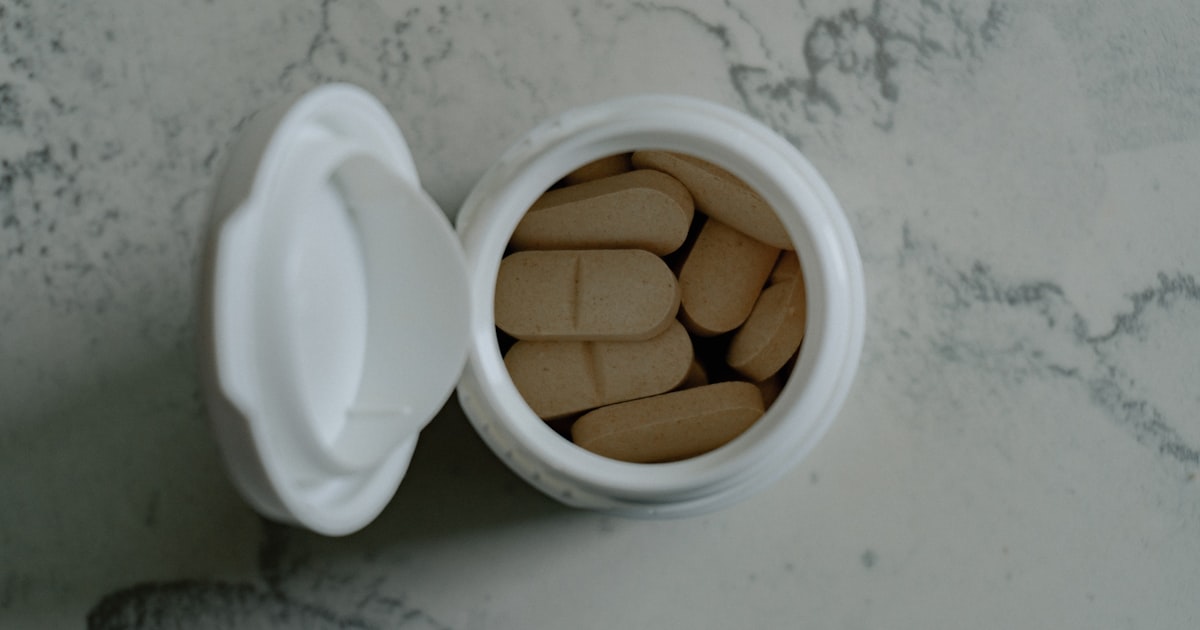
There's a pill that can prevent HIV infection with up to 99% effectiveness. It's been around for over a decade. It's available in India. And most Indians have never heard of it.
It's called PrEP -- Pre-Exposure Prophylaxis -- and it's one of the most powerful HIV prevention tools that exists today. If you're sexually active, or if someone you care about is, this is information worth having.
Let's break it down: what PrEP is, how it works, who should consider it, where to get it in India, what it costs, and what the side effects look like. No medical jargon, no judgment.
What Exactly Is PrEP?
PrEP stands for Pre-Exposure Prophylaxis. Let's translate that:
- Pre-Exposure = before you're exposed to HIV
- Prophylaxis = a treatment to prevent infection
In simple terms: PrEP is a medication that HIV-negative people take before potential exposure to the virus. When taken consistently, it stops HIV from establishing an infection in your body, even if you're exposed to the virus.
The most commonly used PrEP medication globally is a combination of two antiretroviral drugs: tenofovir disoproxil fumarate (TDF) and emtricitabine (FTC). You might know the brand name Truvada -- but in India, affordable generic versions are widely available.
Dr K. Madan Gopal, Senior Consultant at NITI Aayog's Health Vertical: "PrEP is not an experimental drug. It has been extensively studied and approved by regulatory authorities worldwide, including India's Drug Controller General. The challenge in India is not the science -- it's awareness and access."
How Effective Is PrEP? The Numbers
Here's what the research shows:
- Up to 99% effective at preventing HIV from sexual contact when taken daily as prescribed (CDC, 2023)
- At least 74% effective among people who inject drugs when taken daily (CDC, 2023)
- Nearly 98% adherence was achieved in the Ashodaya PrEP demonstration project among female sex workers in Mysore, India -- without reducing condom use (NACO/WHO, 2024)
- Zero new HIV infections were recorded among participants who maintained proper adherence in multiple global clinical trials
The key word here is adherence. PrEP works brilliantly -- but only if you take it consistently. Skipping doses significantly reduces its effectiveness.
Who Should Consider PrEP?
PrEP is for anyone who is HIV-negative and at higher risk of getting HIV. According to India's NACO guidelines and the WHO, this includes:
- Men who have sex with men (MSM) -- HIV incidence among MSM in India is 1.55 per 1,000 uninfected persons (NACO, 2023)
- Transgender persons -- with an incidence of 2.76 per 1,000 uninfected persons, one of the highest-risk groups (NACO, 2023)
- Sex workers -- female sex workers have an incidence of 3.33 per 1,000 uninfected persons (NACO, 2023)
- People who inject drugs (PWID) -- at the highest risk with 34.19 per 1,000 uninfected persons (NACO, 2023)
- Serodiscordant couples -- where one partner is HIV-positive and the other is HIV-negative
- Anyone with a recent STI diagnosis -- having an STI increases your vulnerability to HIV
- People who don't consistently use condoms with partners whose HIV status is unknown
Important: PrEP is not just for key populations. If you're sexually active and feel you might benefit, you have every right to explore this option with a doctor.
How to Take PrEP
India's NACO guidelines currently recommend daily PrEP -- one pill, once a day, at roughly the same time.
Getting Started
- Get tested for HIV -- PrEP is only for people who are HIV-negative. Taking PrEP while HIV-positive can lead to drug resistance.
- Get a kidney function test -- since PrEP is processed by the kidneys, your doctor will check that yours are healthy.
- Start taking one pill daily -- PrEP reaches maximum protection after about 7 days of daily use for receptive anal sex and about 21 days for receptive vaginal sex and injection drug use.
- Follow up every 3 months -- for HIV testing, STI screening, and kidney function monitoring.
What If You Miss a Dose?
Take it as soon as you remember. If it's close to your next scheduled dose, skip the missed one -- don't double up. The occasional missed dose is not the end of the world, but consistent daily use gives you the best protection.
Where to Get PrEP in India
Here's the reality: despite NACO publishing national PrEP guidelines in 2022, government centres still do not routinely distribute PrEP in India (IndiaSpend, 2026). That's a significant gap. But there are still ways to access it:
Option 1: Non-Profit Organizations
Several NGOs provide PrEP through demonstration projects and community health programs:
- Humsafar Trust (Mumbai) -- one of India's largest LGBTQ+ organizations
- Ashodaya Samithi (Mysore) -- pioneered India's PrEP demonstration project
- India HIV/AIDS Alliance -- operates across multiple states
- The Naz Foundation (Delhi) -- HIV prevention services for MSM and transgender communities
Option 2: Private Healthcare
You can get a prescription from:
- Infectious disease specialists
- HIV/AIDS specialists
- Sexual health clinics in major cities
- Some general practitioners who are aware of PrEP guidelines
Option 3: Online Pharmacies
Generic PrEP (Tenof-EM, Tenvir-EM, Ricovir-EM) is available through licensed online pharmacies in India with a valid prescription.
Option 4: NACO's Integrated Counselling and Testing Centres (ICTCs)
While PrEP distribution through ICTCs is still being scaled up, these centres can provide HIV testing, counselling, and potentially refer you to PrEP-providing clinics. There are over 1,133 designated STI/RTI clinics (DSRCs) operating at district and sub-district levels across India.
What Does PrEP Cost in India?
One of the advantages of being in India: generic PrEP is significantly cheaper here than in most countries.
| Brand | Manufacturer | Approximate Cost per Month |
|---|---|---|
| Tenvir-EM | Cipla | Rs 1,500 -- Rs 2,500 |
| Ricovir-EM | Mylan | Rs 1,500 -- Rs 2,200 |
| Tenof-EM | Intas Pharma | Rs 500 -- Rs 1,500 |
For comparison, brand-name Truvada in the US costs over $2,000/month without insurance. Indian generics are 20 to 30 times cheaper and are WHO-prequalified and US FDA-approved.
However, Rs 500-2,500 per month is still a significant expense for many Indians. A study found that 76% of MSM expressed willingness to use PrEP if it was available at subsidised prices through government hospitals (PMC, 2025) -- highlighting the need for public-sector rollout.
Dr Ishwar Gilada, President of AIDS Society of India: "India manufactures PrEP for the world but fails to provide it to its own citizens through the public health system. We have the guidelines, we have the generic drugs, and we have the manufacturing capacity. What we lack is political will and public awareness."
Side Effects: What to Expect
PrEP is generally well-tolerated, but like any medication, it can cause side effects in some people:
Common Side Effects (usually resolve within a few weeks)
- Mild nausea
- Headache
- Fatigue
- Stomach pain or gas
- Slight decrease in appetite
Rare but Serious Concerns
- Kidney function changes -- this is why regular monitoring every 3 months is essential
- Bone density reduction -- slight decreases have been observed, but they reverse after stopping PrEP
- Mood changes -- rarely reported, but worth noting
Most people on PrEP report no significant side effects after the initial adjustment period of 2-4 weeks.
PrEP vs. PEP: What's the Difference?
People often confuse these two, so let's clarify:
| PrEP | PEP | |
|---|---|---|
| Full name | Pre-Exposure Prophylaxis | Post-Exposure Prophylaxis |
| When to take | Before potential exposure (ongoing) | After potential exposure (emergency) |
| Time window | Taken daily, ongoing | Must start within 72 hours of exposure |
| Duration | Continuous, as long as risk exists | 28-day course |
| Effectiveness | Up to 99% | About 80% |
| Use case | Ongoing prevention for people at risk | Emergency prevention after a specific incident |
If you've already had a potential exposure to HIV (unprotected sex, condom breakage, sexual assault), you need PEP, not PrEP. Get to an emergency room or ICTC within 72 hours.
The Future of PrEP: What's Coming
HIV prevention is evolving rapidly:
- Injectable PrEP (cabotegravir): Instead of a daily pill, one injection every two months. WHO-recommended since 2022 and showing 79-89% greater protection than daily oral PrEP in clinical trials.
- Lenacapavir: A twice-yearly injection that WHO now recommends as PrEP. Agreements are in place to produce generic lenacapavir in 120 low- and middle-income countries at about US $40 per person per year starting in 2027. This could be a game-changer for India.
- The Dapivirine Vaginal Ring: A monthly ring that provides HIV protection. Approved by WHO for women and adolescent girls.
India's National AIDS Control Programme Phase V is actively scaling up PrEP delivery through targeted interventions for key populations. Progress is slow, but it is happening.
Common Myths About PrEP
Myth: "PrEP means you can stop using condoms."
Fact: PrEP protects against HIV, not against other STIs like gonorrhoea, chlamydia, syphilis, or herpes. Condoms are still recommended for comprehensive protection.
Myth: "PrEP is only for gay men."
Fact: PrEP is for anyone at risk of HIV, regardless of gender or sexual orientation. This includes women in serodiscordant relationships, sex workers, and anyone whose sexual practices put them at risk.
Myth: "If I take PrEP, it means I'm HIV-positive."
Fact: PrEP is taken by HIV-negative people to stay HIV-negative. It's a prevention tool, not a treatment.
Myth: "PrEP causes HIV."
Fact: PrEP cannot cause HIV. The medication prevents the virus from replicating in your body if you're exposed.
Myth: "I don't need PrEP because I'm in a monogamous relationship."
Fact: If your partner's HIV status is unknown or positive, PrEP can provide an additional layer of protection while they achieve viral suppression through treatment.
Frequently Asked Questions
1. Can I buy PrEP over the counter in India?
No, PrEP requires a prescription in India. You'll need to consult a doctor who can prescribe it after confirming your HIV-negative status and checking your kidney function. Some NGOs and sexual health clinics can facilitate this process.
2. Does PrEP protect against other STIs besides HIV?
No. PrEP only protects against HIV. You'll still need condoms and other prevention strategies to protect against STIs like gonorrhoea, chlamydia, syphilis, herpes, and HPV. Think of PrEP as one layer of protection, not the only layer.
3. How long do I need to take PrEP?
As long as you're at risk of HIV exposure. PrEP is not a lifetime commitment -- you can start and stop it based on your risk level. If you're entering a monogamous relationship where both partners have tested HIV-negative, you may choose to stop. Discuss timing with your doctor.
4. Will my family or employer find out I'm taking PrEP?
Your medical information is confidential. Pharmacies and doctors are bound by medical confidentiality laws. If privacy is a concern, discuss it with your healthcare provider -- they can help you navigate this.
5. Is PrEP safe for women and transgender individuals?
Yes. PrEP has been studied and approved for use across all genders. For transgender individuals on hormone therapy, there are no significant drug interactions between PrEP and gender-affirming hormones, though monitoring is still recommended.
Your Next Steps
If you think PrEP might be right for you:
- Get tested for HIV at an ICTC or private lab
- Talk to a doctor -- an infectious disease specialist, sexual health doctor, or a supportive GP
- Reach out to an NGO like Humsafar Trust or Naz Foundation if you need guidance or affordable access
- Learn more -- platforms like Samjho provide shame-free sexual health education that helps you make informed decisions
Taking care of your sexual health isn't something to be embarrassed about. It's one of the most responsible things you can do -- for yourself and for your partners. PrEP is a powerful tool, and you deserve to know it exists.
Disclaimer: This article is for educational purposes only and does not constitute medical advice. Always consult a qualified healthcare provider before starting any medication, including PrEP. For immediate HIV concerns, visit your nearest ICTC or call the NACO helpline at 1097.