Body Image and Sex: How to Stop Worrying About How You Look

By Rahul Verma
Youth Sex Educator & Workshop Facilitator · M.A. Public Health, JNU
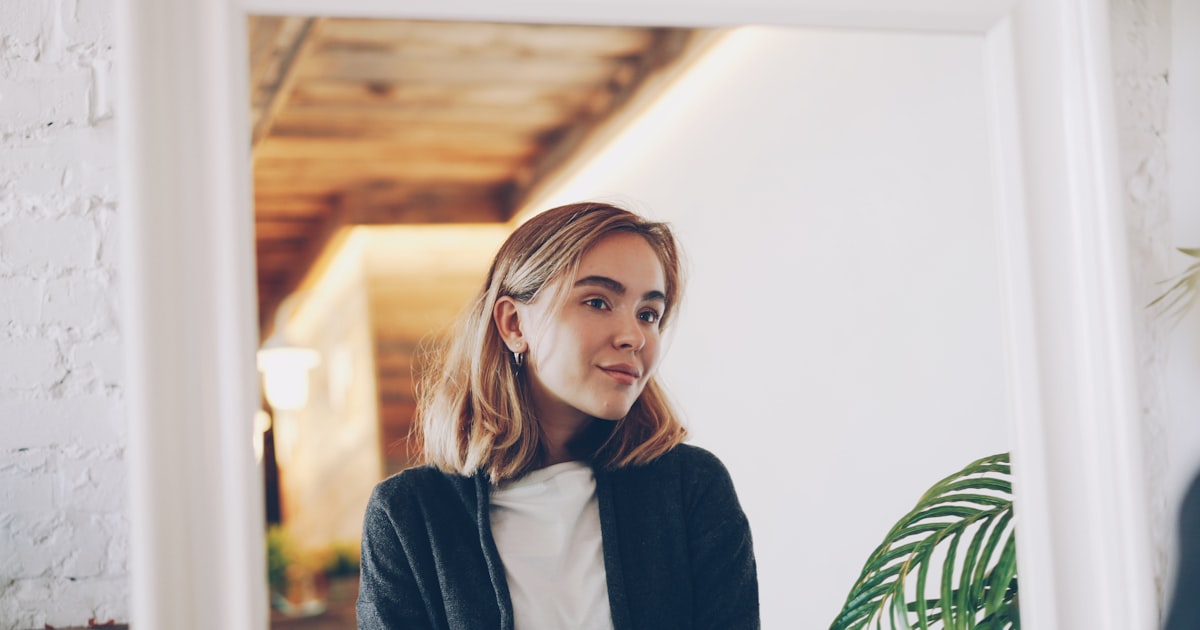
You're in bed with someone. The lights are dim. Things are getting intimate. And instead of being present in the moment, your brain decides to run a commentary: Do they think I'm too fat? Can they see my stretch marks? What if my body doesn't look how they expected? Should I keep my shirt on? What if they're looking at my stomach?
If this sounds like you, you're in very large company. Research shows that body image concerns during sex are among the most common barriers to sexual pleasure and satisfaction -- and they affect people of all genders, body types, and levels of attractiveness.
In India, where cultural pressures around appearance are intensified by social media, Bollywood beauty standards, colourism, and a culture of comparison, body image anxiety is particularly pervasive. And when that anxiety follows you into the bedroom, it doesn't just affect how you feel -- it measurably affects how your body responds.
The Science: How Body Image Anxiety Kills Arousal
This isn't just a "confidence issue." There's a well-documented psychological mechanism at work.
Spectatoring: Watching Yourself Instead of Experiencing
Sex therapists Masters and Johnson coined the term "spectatoring" to describe what happens when you mentally step outside your body during sex and observe yourself as if from the outside. Instead of experiencing sensations and emotions, you're monitoring: How do I look? Are they enjoying this? Is my body positioned in the least unflattering angle?
Spectatoring is a form of cognitive distraction -- and research consistently shows it interferes with every stage of sexual response.
The Brain-Body Disconnect
Here's what happens physiologically:
- Your attention shifts from internal body cues (pleasure, sensation, arousal) to external self-evaluation (how you look)
- Anxiety activates -- the sympathetic nervous system (fight-or-flight) begins to override the parasympathetic response needed for arousal
- Blood flow redirects away from the genitals -- reducing erection in men and lubrication/clitoral engorgement in women
- Orgasm becomes harder -- reaching orgasm requires focused attention on pleasurable sensations, which is impossible when your brain is busy evaluating your appearance
- The experience becomes less enjoyable -- confirming the fear that sex is stressful, and reinforcing avoidance
Research published in the Journal of Sexual Medicine found that body appearance cognitive distraction fully mediated the relationship between negative beliefs about appearance and sexual functioning in both men and women (ScienceDirect, 2016). Translation: it's not your body that's the problem -- it's the mental interference your thoughts about your body create.
Dr Arun Kandasamy, Associate Professor of Psychiatry at NIMHANS Bangalore: "In our clinical experience, body image dissatisfaction is an underrecognised contributor to sexual dysfunction in India. Patients present with arousal difficulties or anorgasmia, and when we explore further, we find intense self-consciousness about appearance driving the problem."
What Indians Worry About: The Common Concerns
Body image anxiety during sex isn't abstract -- it's tied to specific concerns that are shaped by cultural context.
For Men
- Penis size -- A 2025 study found that penis size dissatisfaction is linked to low self-esteem, anxiety, and compensatory risk-taking behaviours among Indian men, fuelled by rigid socio-cultural norms that equate genital size with masculinity (Malque Publications, 2025)
- Body hair -- worries about too much or too little body hair
- Weight and muscle definition -- pressure to match "gym body" ideals seen on social media
- Skin colour -- colourism affects men too, especially in intimate settings
- Premature balding -- a common concern among young Indian men
For Women
- Body weight and shape -- cultural pressure to be slim while also being "curvy in the right places"
- Breast size and appearance -- anxiety about size, symmetry, nipple appearance
- Skin colour and tone -- India's deeply embedded colourism affects how women feel about being seen unclothed
- Body hair -- immense pressure to be hairless, despite hair being biologically normal
- Vulva appearance -- concerns about how the vulva looks, often driven by comparison to pornography
- Stretch marks, scars, and cellulite -- features most adult bodies have but that are airbrushed out of media
For Everyone
- Acne and skin conditions -- especially common among young adults
- Surgical scars -- including C-section scars
- Disability or physical difference -- body image is often compounded by ableist beauty standards
- Ageing-related changes -- relevant for people in their 30s and beyond
The Numbers: How Widespread Is This?
- Body image dissatisfaction affects an estimated 50-80% of Indian college students, with women reporting higher rates (PMC, 2022)
- Higher self-objectification (viewing yourself as an object to be evaluated) significantly predicts appearance anxiety, which in turn predicts lower sexual satisfaction (MDPI, 2025)
- Research shows that women are more likely than men to experience appearance-based cognitive distraction during sex, though men are significantly affected too (ScienceDirect, 2016)
- A study found that higher cognitive distraction levels were linked to greater sexual dysfunction, more sexual distress, and lower sexual satisfaction across all genders (PMC, 2023)
- In India, social media use is significantly correlated with body dissatisfaction, with Instagram and photo-based platforms showing the strongest effects (PMC, 2024)
- Indian women's body image is shaped by an intersection of traditional cultural norms, modern media influences, and shifting societal values -- creating a complex web of often contradictory expectations (ScienceDirect, 2023)
Dr Kamna Chhibber, Head of Mental Health and Behavioural Sciences at Fortis Healthcare: "The relationship between body image and sexual wellbeing is direct and significant. When individuals are preoccupied with how they look during intimacy, they cannot access the sensory and emotional experience that makes sex pleasurable. This is not vanity -- it is a genuine psychological barrier that deserves clinical attention."
Why "Just Be Confident" Doesn't Work
You've probably heard the advice: "Just be confident in your body!" or "Your partner doesn't care about your stretch marks!"
This advice, while well-intentioned, is useless for most people. Here's why:
- Body image is formed over years through media exposure, cultural messaging, peer comparison, and sometimes direct criticism. It doesn't dissolve because someone tells you to be confident.
- Telling someone to stop thinking about their body is like telling someone to stop thinking about a pink elephant. The instruction itself focuses attention on the thing you're trying to ignore.
- Confidence isn't a switch. It's a skill that develops through practice, self-awareness, and often therapeutic support.
So what does work?
Evidence-Based Strategies for Reducing Body Image Anxiety During Sex
1. Shift from Self-Observation to Self-Sensation
The antidote to spectatoring is redirecting attention from how you look to how you feel. This is a trainable skill.
Practice:
- During sex, deliberately focus on one physical sensation at a time: the warmth of your partner's skin, the pressure of their touch, the texture of the sheets
- When you catch yourself evaluating your appearance, gently redirect to a sensory focus: "What am I feeling right now?"
- This is essentially mindfulness applied to intimacy. It gets easier with repetition
Research from Harvard-affiliated studies found that body awareness training significantly improved sexual arousal in women with sexual dysfunction by shifting attention from external self-evaluation to internal sensation (PMC, 2010).
2. Control the Environment
If certain conditions increase your self-consciousness, change them -- at least initially:
- Dim the lights or use candles. There's no rule that sex has to happen in bright lighting
- Choose positions where you feel more comfortable and less "on display"
- Keep some clothes on if that reduces anxiety. A shirt, a slip, underwear -- there are no rules about being completely naked
- Gradually increase exposure as your comfort grows. This is the same principle used in exposure therapy for anxiety
3. Challenge the Thoughts
Cognitive restructuring -- a core CBT technique -- involves examining and challenging the automatic thoughts that drive your anxiety:
| Automatic Thought | Challenge | Reframe |
|---|---|---|
| "They're looking at my stomach" | Am I certain? What evidence do I have? | They're focused on intimacy, not inspecting my body |
| "My body isn't attractive enough for this" | Who defined "enough"? Compared to what? | My body is here, functional, and capable of pleasure |
| "They've been with people who look better" | I don't know that, and comparison isn't relevant | This experience is about us, not rankings |
| "I need to lose weight before I can enjoy sex" | Am I putting my life on hold for a condition? | I deserve pleasure in the body I have now |
4. Talk to Your Partner
Vulnerability is powerful. Telling your partner:
- "I sometimes feel self-conscious about my body during sex"
- "It helps me when the lights are lower"
- "I need reassurance sometimes, and it's not fishing for compliments -- it's genuine anxiety"
Most partners respond with warmth and understanding. Often, they have their own body insecurities too. The conversation itself breaks the isolation that makes body image anxiety worse.
5. Curate Your Media Diet
This one matters more than people realise:
- Unfollow accounts on Instagram and social media that make you feel inadequate about your body
- Follow body-diverse accounts that normalise real bodies
- Reduce pornography consumption if it's distorting your sense of what bodies "should" look like during sex
- Notice when comparison starts -- it's usually triggered by specific content. Remove or limit that content
A 2024 Indian review found significant correlations between social media use and body dissatisfaction, particularly with image-heavy platforms (PMC, 2024). Your media environment directly shapes how you feel about yourself.
6. Separate Your Body's Worth from Its Appearance
This is a deeper, ongoing process. It involves shifting from an evaluative relationship with your body (judging how it looks) to a functional relationship (appreciating what it does):
- Your body feels pleasure
- Your body gives pleasure
- Your body breathes, moves, touches, responds
- Your body is the vehicle through which you experience intimacy
You don't need to love how your body looks to enjoy sex. You need to be present in it.
7. Professional Support
If body image anxiety significantly interferes with your sexual life, relationships, or mental health, a therapist can help:
- Cognitive Behavioural Therapy (CBT) -- directly addresses thought patterns driving anxiety
- Acceptance and Commitment Therapy (ACT) -- builds psychological flexibility and reduces the control negative thoughts have over behaviour
- Sex therapy -- specifically addresses body image in the context of intimacy and sexual functioning
- Body-focused therapies -- somatic experiencing and body awareness training
A Note on Body Diversity
Every body is a sex body. Full stop.
Fat bodies. Thin bodies. Bodies with scars, stretch marks, cellulite, acne, body hair, no body hair, asymmetrical breasts, small penises, large labia, dark skin, light skin, disabled bodies, bodies that don't match the person on the cover of any magazine.
Real sex happens between real bodies. And real bodies don't look like they've been photoshopped, filtered, or cast by a film studio. The sooner we collectively accept this, the better our sex lives get.
Frequently Asked Questions
1. Is it normal to feel self-conscious during sex?
Extremely normal. Research suggests that the majority of people experience some degree of body-related self-consciousness during sex at some point. It becomes a concern when it consistently prevents you from enjoying intimacy or causes significant distress.
2. Does body image anxiety affect men too, or is it mainly a women's issue?
It affects all genders. While research shows women experience higher rates of appearance-based cognitive distraction during sex, men are significantly affected too -- particularly around penis size, body hair, weight, and skin colour. Indian cultural norms around "mardaangi" (manliness) create specific body image pressures for men.
3. Will losing weight or getting in shape fix my body image anxiety during sex?
Not necessarily. Body image is primarily a psychological phenomenon, not a physical one. Research consistently shows that people at all body weights and fitness levels can experience body image anxiety. Some people get into excellent physical shape and still feel self-conscious. The work is internal -- changing your relationship with your body -- not just external.
4. My partner says they find me attractive, but I don't believe them. What should I do?
This is very common and doesn't mean your partner is lying. Body image anxiety creates a filter that distorts incoming information -- you dismiss compliments because they conflict with your internal narrative. CBT can help you learn to accept positive input rather than automatically rejecting it. In the meantime, try to notice and sit with the compliment rather than immediately arguing against it.
5. How can I support a partner who has body image anxiety during sex?
Be patient, consistent, and genuine. Offer specific compliments (what you find attractive about them) rather than generic reassurance. Ask what makes them comfortable. Don't pressure them to be fully undressed if they're not ready. Most importantly, don't dismiss their anxiety -- "You look fine, stop worrying" is less helpful than "I understand, and I'm attracted to you. What would help you feel more comfortable?"
Moving Forward
Body image anxiety during sex is not a personal failing. It's a predictable consequence of living in a culture saturated with unrealistic beauty standards, filtered images, and messages that tie your worth to your appearance.
The path forward isn't about reaching some ideal body or achieving perfect self-confidence. It's about learning to be present in your body during intimacy -- shifting from self-evaluation to self-experience.
That shift is possible. It takes practice, patience, and sometimes professional support. But every step toward being present in your body is a step toward better sex, better intimacy, and a better relationship with yourself.
Platforms like Samjho exist to help you navigate these conversations openly and without shame. Because your body -- exactly as it is right now -- deserves pleasure.
Disclaimer: This article is for educational purposes only and does not constitute medical or psychological advice. If body image concerns are significantly affecting your mental health, relationships, or daily functioning, consult a qualified mental health professional. For support, contact the Vandrevala Foundation helpline at 1860-2662-345 or iCall at 9152987821.