Period Myths in India: What Your Family Told You vs. What's True

By Dr. Meera Iyer
Gynecologist & Sexual Health Educator · MBBS, MS (OBG), Mumbai
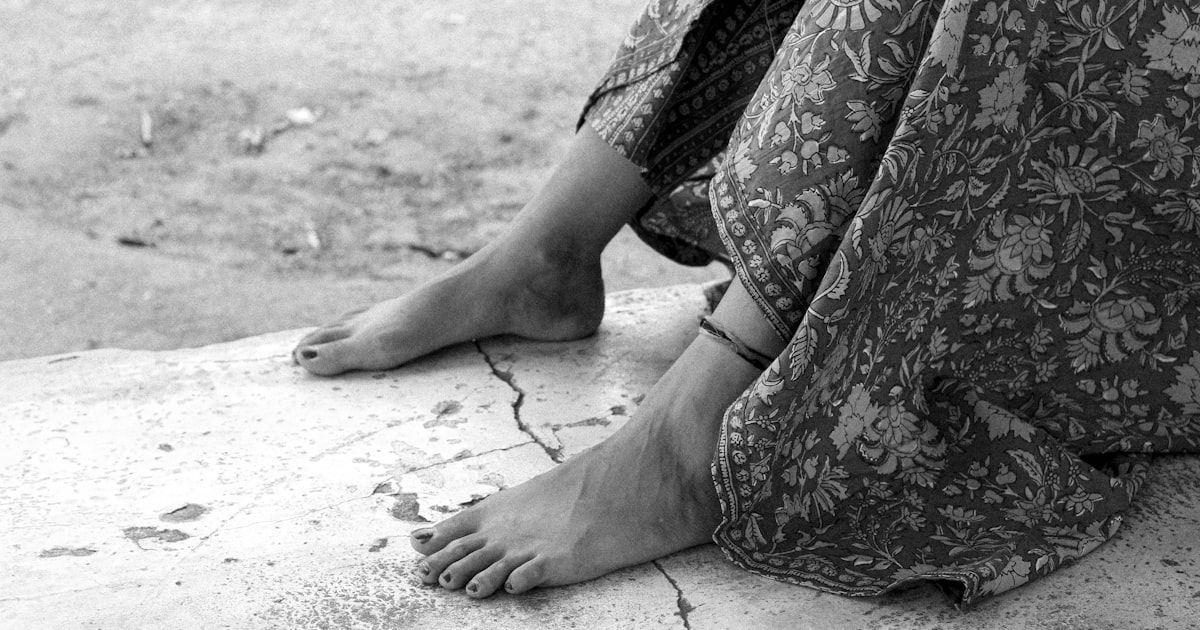
"Don't enter the kitchen." "Don't touch the pickle jar." "Don't go to the mandir." "Don't wash your hair." "Don't exercise."
If you grew up in India, you've probably heard at least a few of these rules about periods. They were passed down from your grandmother to your mother to you — spoken as fact, treated as law, and rarely questioned.
But here's the thing: most of these rules have zero basis in science or medicine. They come from a time when menstruation was poorly understood and culturally stigmatized. And while they were probably well-intentioned (some were even meant to give women rest), they've caused real harm — making generations of women feel dirty, restricted, and ashamed of a completely normal biological process.
Let's go through the most common period myths in India and separate what your family told you from what's actually, medically true.
The Scale of the Problem
Before we dive in, some numbers to show this isn't a small issue:
Statistic 1: A UNICEF study found that 71% of adolescent girls in India are completely unaware of menstruation until they get their first period. Most learn about it only after the bleeding starts — often with fear and confusion. (Source: UNICEF India)
Statistic 2: 1 out of every 5 girls in India drops out of school when she gets her period — due to lack of sanitary products, no separate toilets, and the shame and myths surrounding menstruation. (Source: UNICEF India)
Statistic 3: A study found that 80% of teachers in Indian schools believed menstrual blood is impure. When educators hold these beliefs, how can students learn the truth? (Source: WaterAid India)
Statistic 4: More than 60% of Indian women aged 15-24 still use cloth during their periods, and taboos prevent them from washing and drying the cloth in direct sunlight — increasing the risk of infection. (Source: UNICEF India)
Statistic 5: Only 36% of Indian women use sanitary pads, according to the National Family Health Survey. The rest use cloth, ash, sand, or other unsafe materials — often because of poverty, but also because shame prevents them from buying period products openly. (Source: NFHS-5)
These aren't just numbers. They represent millions of girls and women whose health, education, and freedom are affected by myths and stigma around a biological function that half the population experiences.
Myth 1: "Periods Are Impure" (Menstrual Blood Is Dirty)
What you were told: Menstrual blood is impure (ashudh/ashuddh). A menstruating woman is temporarily "unclean."
What's actually true: Menstrual blood is not impure, toxic, or dirty. It's a mix of blood, uterine tissue, and cervical mucus — the same components that nourish a potential pregnancy. When pregnancy doesn't occur, the uterine lining sheds. That's it. It's a perfectly normal biological process.
Menstrual blood is no more "impure" than blood from a cut on your finger. The idea of impurity is cultural and religious, not scientific.
Dr. Duru Shah, former president of the Indian Society for Assisted Reproduction, has stated: "There is absolutely nothing impure about menstruation. It is a natural physiological process. Calling it impure is not only scientifically incorrect but psychologically harmful to girls growing up."
Myth 2: "Don't Enter the Kitchen During Periods"
What you were told: If you cook food or enter the kitchen while menstruating, the food will get spoiled or contaminated.
What's actually true: There is no scientific mechanism by which menstruation can spoil food. Menstrual blood doesn't emit any substance that affects food quality. This myth likely originated from the idea that menstruating women are "impure" and therefore shouldn't handle food meant for the family or for religious offerings.
The irony? This restriction often means women — who are frequently the primary cooks in Indian households — either have to hide their periods or get someone else to cook, reinforcing the idea that periods are something shameful that must be concealed.
The reality: You can cook, handle food, and eat whatever you want during your period. Your culinary skills don't take a monthly holiday.
Myth 3: "Don't Touch Pickles — They'll Go Bad"
What you were told: If a menstruating woman touches achaar (pickle), it will rot or lose its taste.
What's actually true: This is one of the most persistent period myths in India and it has absolutely no scientific basis. Pickles are preserved through salt, oil, and acid (lemon juice or vinegar). Their preservation has nothing to do with who touches the jar.
This myth has been studied by researchers and is frequently cited as an example of how menstrual taboos are embedded in everyday Indian life. Pickles don't have a menstruation sensor. They really don't care who's touching them.
Myth 4: "Don't Go to the Temple During Periods"
What you were told: Women should not enter temples, mosques, gurudwaras, or other places of worship during menstruation because their "energy" disrupts the sacred space.
What's actually true: This is a religious and cultural belief, not a medical or scientific one. Different religious traditions have different perspectives on this — some communities enforce it strictly, others don't mention it at all.
From a medical standpoint, menstruation has no effect on spiritual energy, sacred spaces, or religious rituals. You're experiencing a normal bodily function, not a metaphysical event.
It's worth noting that several progressive religious leaders and institutions in India have spoken against menstrual restrictions in places of worship. The Sabarimala temple case and other legal battles have brought this discussion into the mainstream.
What you should do: This is ultimately a personal and family decision. But know that there is no medical reason to restrict any activity during your period.
Myth 5: "Don't Wash Your Hair During Periods"
What you were told: Washing your hair during menstruation will stop your flow, cause cramps, give you a cold, or lead to long-term health problems.
What's actually true: There is zero medical evidence that washing your hair — or taking a bath, for that matter — has any effect on menstrual flow, cramp severity, or your long-term health.
In fact, maintaining hygiene during your period is important. Warm water can actually help relax muscles and reduce cramps. Skipping baths or hair washes for days during your period is unhygienic and unnecessary.
The probable origin: This myth may have roots in an era when women bathed in cold river water. Cold water can temporarily constrict blood vessels, which might have been misinterpreted as "stopping the flow." In modern times, with warm showers available, this concern doesn't apply at all.
Myth 6: "Don't Exercise or Do Physical Activity During Periods"
What you were told: Rest completely during your period. Don't run, exercise, cycle, swim, or do anything strenuous — it'll increase bleeding or cause damage.
What's actually true: Exercise during your period is not only safe but actually beneficial. Physical activity releases endorphins (your body's natural painkillers), which can reduce cramps, improve mood, and decrease bloating.
What the research says: A systematic review published in BMC Women's Health found that moderate exercise significantly reduces menstrual pain. Walking, yoga, swimming, and light strength training are all safe and helpful during periods.
The only adjustment you might want to make is listening to your body on very heavy flow days — if you're uncomfortable, lower the intensity. But "complete rest" is not medically necessary for most women.
Myth 7: "Period Blood Attracts Ghosts and Evil Spirits"
What you were told: Menstrual blood has supernatural properties that attract evil spirits (bhoot, pret, or jinn). Menstruating women should stay indoors and avoid certain places, especially at night.
What's actually true: This is superstition, plain and simple. Menstrual blood is biological tissue — it has no supernatural properties. These beliefs cause unnecessary fear and can lead to the isolation of menstruating women, particularly in rural India.
In some communities, women are still sent to "period huts" (chaupadi) — separate structures outside the main house — during menstruation. This practice has been linked to illness, snake bites, hypothermia, and even deaths. Several Indian states and Nepal have moved to ban this practice.
Myth 8: "You Shouldn't Talk About Periods Openly"
What you were told: Periods are private and shouldn't be discussed in public, in front of men, or even openly with other women. Buy pads discreetly, wrap them in newspaper, and never let anyone see them.
What's actually true: The silence around periods is not protecting anyone — it's harming everyone. When we can't talk about menstruation:
- Girls grow up confused and scared when they get their first period
- Boys grow up thinking periods are gross or shameful
- Women don't seek medical help for period problems because they're too embarrassed
- Myths perpetuate because nobody is correcting them
The shift happening: Organizations like UNICEF India, campaigns like 'Red Achcha Hai' (Red is Good), and platforms like Samjho are working to normalize conversations about menstruation. Films like Pad Man (2018) and Period. End of Sentence. (2018 Oscar-winning short) have helped bring menstruation into public discourse.
Myth 9: "Periods Should Last Exactly 3-5 Days"
What you were told: A "normal" period is 3-5 days. Anything shorter or longer means something is wrong with you.
What's actually true: Normal period duration ranges from 2 to 7 days. Some women consistently have 2-day periods; others have 7-day periods. Both are normal. What matters more is consistency — if your period length suddenly changes significantly, that might warrant a check-up.
Similarly, cycle length varies. The "28-day cycle" you learned about in school is an average, not a rule. Normal cycles range from 21 to 35 days.
Dr. Ranjana Sharma, a senior gynecologist at Indraprastha Apollo Hospital, New Delhi, explains: "There is no single 'correct' period length or cycle length. What's normal for one woman may be different from another. Women should pay attention to their individual baseline — what's normal for them — and note any significant changes."
Myth 10: "Eating Sour Food During Periods Will Increase Pain"
What you were told: Avoid sour food (khatta) like tamarind, lemon, curd, and pickles during periods because it will worsen cramps or increase flow.
What's actually true: There is no scientific evidence that sour or acidic foods worsen menstrual cramps or affect flow. The pH of the food you eat does not directly affect your uterine contractions.
In fact, some "sour" foods are actively beneficial during periods:
- Yogurt (dahi/curd): Contains probiotics that support gut health, and calcium, which may help reduce cramps
- Lemon water: Keeps you hydrated and provides vitamin C
- Citrus fruits: Rich in vitamin C and anti-inflammatory compounds
That said, some women do notice that certain foods worsen their bloating or cramps — but this is individual sensitivity, not a universal rule about sour foods.
Why These Myths Persist (And Why It Matters)
Menstrual myths in India persist because of a reinforcing cycle:
- Lack of formal sex education — Only 15% of Indian youth receive any form of sex education. Schools barely cover menstruation, if at all.
- Intergenerational transmission — Mothers teach daughters what they were taught, without questioning the source.
- Media silence — Until recently, period product ads showed blue liquid instead of anything resembling blood, reinforcing the idea that periods are too shameful to depict realistically.
- Religious and cultural reinforcement — When myths are tied to religion, questioning them feels like questioning faith, making them harder to challenge.
- Male ignorance — When half the population is excluded from conversations about periods, they can't be allies in breaking stigma.
The consequences are real: girls missing school, women avoiding doctors, infections from unhygienic practices, and an entire gender growing up believing a fundamental part of their biology is something to hide and feel ashamed of.
What You Can Do
If you're a young woman:
- Question the myths you grew up with. Ask "why?" — and look for scientific answers.
- Talk openly about periods with friends, siblings, and partners.
- Track your cycle and learn what's normal for your body.
- Don't let period myths restrict your life, education, or activities.
- See a doctor for any genuine concerns without embarrassment.
If you're a man:
- Educate yourself about menstruation. It's basic biology, not a "women's issue."
- Don't make periods a joke or a source of embarrassment.
- Buy period products for the women in your life without acting like it's a covert operation.
- Support menstrual health initiatives in your community.
If you're a parent:
- Talk to your children about periods before they reach puberty — both daughters and sons.
- Use correct terminology. Stop treating it as something shameful.
- Don't impose cultural restrictions that have no medical basis.
- Be the generation that breaks the cycle of myth and shame.
Frequently Asked Questions
Can I go swimming during my period?
Yes. Using a tampon or menstrual cup, you can swim without any issues. Water does not "enter" your body through the vagina, and swimming doesn't increase infection risk. The myth that swimming during periods is unsafe is just that — a myth.
Is it true that you should avoid cold water during periods?
There's no medical evidence that cold water — whether drinking it or bathing in it — is harmful during periods. Cold water might cause temporary discomfort for some people (just like any other time), but it won't stop your period, worsen cramps, or cause health problems. Warm water, however, can help relax muscles and may soothe cramps.
Can others "tell" when I'm on my period?
No. Unless you tell someone, there is no way for others to know you're menstruating. You don't look different, smell different (provided you maintain normal hygiene), or behave differently in any way that's detectable by others. The fear that others can "sense" your period is unfounded.
Do men need to know about periods?
Absolutely. Menstruation affects the lives of mothers, sisters, partners, friends, colleagues, and classmates. When men understand periods, they're better equipped to be supportive partners, informed parents, and empathetic humans. Period literacy shouldn't be gender-specific.
Are there any actual medical restrictions during periods?
Very few. If you have a specific medical condition (like endometriosis or very heavy bleeding), your doctor might advise certain modifications. But for the vast majority of women, there are no medical restrictions on any activity during periods — not eating certain foods, not exercising, not bathing, and not going to any particular place.
The Bottom Line
Periods are biology. Not a curse. Not impurity. Not a reason to be excluded from kitchens, temples, or your own life.
The myths you grew up hearing were passed down with good intentions but bad information. You have the power to question them, learn the facts, and pass better information to the next generation.
Samjho exists to make this kind of information normal, accessible, and shame-free — because understanding your own body should never require courage.
Disclaimer: This article is for informational purposes only. Cultural and religious practices are personal choices. This article aims to separate medical facts from myths — not to disrespect any tradition. For medical concerns about your menstrual health, consult a qualified healthcare provider.
Sources:
- Busting myths and misconceptions around menstruation — UNICEF India
- Menstrual hygiene — UNICEF India
- 1 in 5 girls drop out after their period — The Better India
- Period myths in India: breaking taboos — GynaGuide
- Menstruation related myths in India — PMC
- Menstruation and Indian culture — Dr. Ashish Saini
- Challenging menstrual taboos in rural India — Daily Pioneer
- Menstrual hygiene management in schools in South Asia — WaterAid
- National Family Health Survey-5 (NFHS-5) — IIPS
- From riches to rags: evolution of menstrual taboos in India — The Swaddle