Why Is My Period Late? 8 Reasons That Aren't Pregnancy

By Dr. Meera Iyer
Gynecologist & Sexual Health Educator · MBBS, MS (OBG), Mumbai
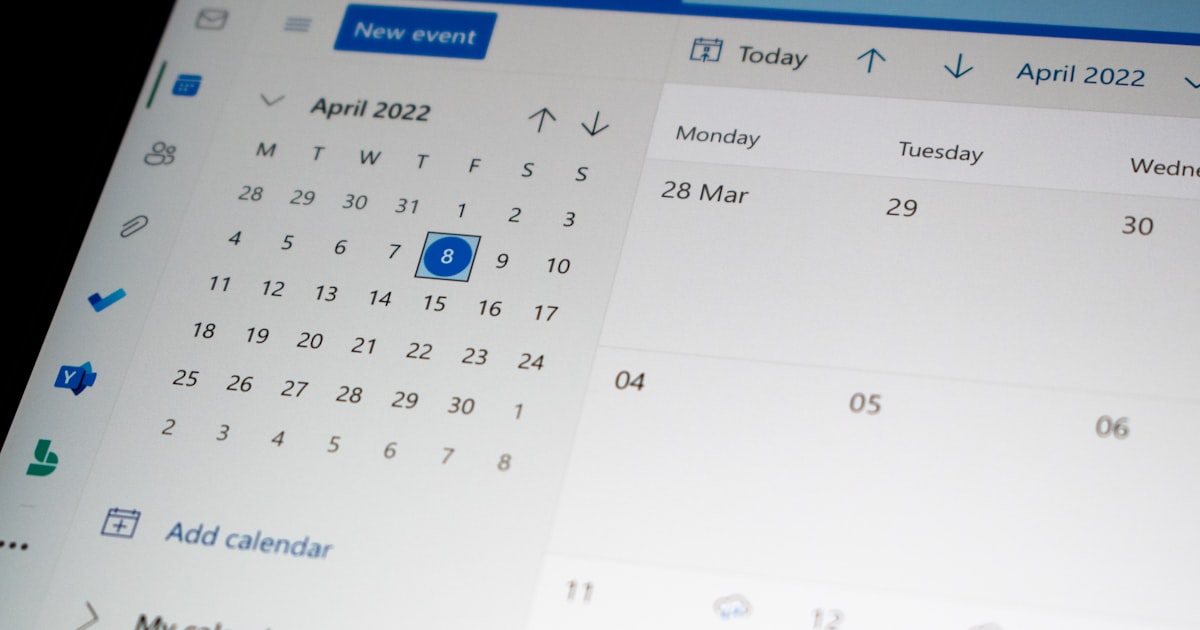
Your period is late. You've taken a pregnancy test — it's negative. So... what's going on?
First, take a breath. A late or missed period doesn't automatically mean something is seriously wrong. Your menstrual cycle is sensitive to a lot of factors — stress, diet, sleep, weight changes, and more. Sometimes your body just needs to recalibrate.
But we also know that when your period doesn't show up on time, the anxiety can be intense. Especially if you're someone who tracks your cycle or if you've recently been sexually active.
So let's go through the real, medically documented reasons why your period might be late — and help you figure out when it's just your body doing its thing versus when you should see a doctor.
First: What's a "Normal" Cycle?
Before we talk about what's late, let's define what's on time.
A "normal" menstrual cycle ranges from 21 to 35 days, counted from the first day of one period to the first day of the next. The often-quoted "28-day cycle" is just an average — most women don't have a perfectly predictable 28-day cycle.
Your period is considered late if it hasn't arrived within 7 days of your expected date. It's considered missed if you go more than 6 weeks without a period (when you're not pregnant).
A few key statistics about menstrual irregularity in India:
- About 7.2% of Indian women report menstrual irregularities according to the National Family Health Survey (NFHS-5, 2019-21). (Source: NFHS-5)
- 29.1% of young women in North India experienced irregular cycles during the COVID-19 pandemic, up from pre-pandemic rates. (Source: Journal of Family Medicine and Primary Care, 2022)
- 1 in 5 Indian women may have PCOS (Polycystic Ovary Syndrome), one of the most common causes of irregular periods. (Source: PMC, 2022 — Systematic review of PCOS prevalence in India)
Now, let's look at the eight most common reasons your period might be late.
1. Stress
This is the number one non-pregnancy reason for late periods, and it's incredibly common.
How it works: When you're stressed — whether from exams, work pressure, family issues, or emotional turmoil — your body produces more cortisol (the stress hormone). Elevated cortisol interferes with GnRH (gonadotropin-releasing hormone), which your brain uses to signal your ovaries to prepare for ovulation. If ovulation is delayed, your period is delayed.
The Indian context: Academic pressure, job stress, family expectations, and relationship anxiety are all incredibly common among young Indians. If you've been going through a particularly stressful time and your period is late, this is very likely the cause.
What to do: The period usually returns to normal once the stressor resolves. Stress management techniques — exercise, sleep, meditation, talking to a friend or counselor — can help regulate your cycle over time.
2. PCOS (Polycystic Ovary Syndrome)
PCOS is one of the most common hormonal disorders affecting women of reproductive age, and it's a leading cause of irregular or missed periods.
How it works: PCOS causes your body to produce excess androgens (male hormones). This hormonal imbalance can prevent your ovaries from releasing eggs regularly (or at all), leading to irregular, infrequent, or absent periods. Other symptoms include acne, excess facial or body hair, weight gain (especially around the abdomen), and difficulty losing weight.
Prevalence in India:
- A 2024 JAMA Network Open study found a PCOS prevalence of approximately 10% using standard criteria among Indian women. (Source: JAMA Network Open, 2024)
- A Delhi NCR study of college-going women (ages 18-25) found a prevalence of 17.4%. (Source: PMC, 2024)
- Some studies report prevalence as high as 22.5% depending on diagnostic criteria used. (Source: PMC, 2022)
What to do: If you suspect PCOS — especially if you have irregular periods along with acne, excess hair growth, or weight issues — see a gynecologist. PCOS is manageable with lifestyle changes (diet, exercise) and sometimes medication. Early diagnosis makes a big difference.
3. Sudden Weight Changes
Both losing and gaining a significant amount of weight can disrupt your menstrual cycle.
How it works:
- Weight loss: Your body needs a minimum amount of body fat (approximately 17-22%) to maintain regular menstrual cycles. If you've been on a crash diet, exercising excessively, or have lost weight rapidly, your body may suppress ovulation to conserve energy. This is especially common among women who develop eating disorders or follow extreme diets.
- Weight gain: Excess body fat produces extra estrogen, which can disrupt the hormonal balance needed for regular ovulation. This is also connected to PCOS — excess weight worsens the hormonal imbalance.
What to do: Gradual, healthy weight changes typically allow your cycle to normalize. If you've experienced significant weight fluctuation and your periods have stopped, see a doctor to check your hormone levels.
4. Thyroid Disorders
Your thyroid — a small gland in your neck — produces hormones that regulate your metabolism. When it's not working properly, it can directly affect your menstrual cycle.
How it works:
- Hypothyroidism (underactive thyroid): Slows down your metabolism and can cause heavy, prolonged, or irregular periods.
- Hyperthyroidism (overactive thyroid): Speeds up your metabolism and can cause lighter, less frequent, or absent periods.
Why this matters in India: Thyroid disorders are extremely common among Indian women. Studies estimate that about 1 in 10 Indian adults has a thyroid disorder, with women affected far more than men. (Source: Indian Journal of Endocrinology and Metabolism)
What to do: A simple blood test (TSH test) can check your thyroid function. If diagnosed, thyroid disorders are very treatable with medication, and your periods should normalize once your thyroid levels are managed.
5. Excessive Exercise
Regular, moderate exercise is great for your health and can actually help regulate your cycle. But intense or excessive exercise can have the opposite effect.
How it works: Extreme physical activity can cause your body to enter an energy-deficit state. When your body doesn't have enough energy reserves, it prioritizes essential functions over reproductive ones. This can suppress the hormones needed for ovulation, leading to late or absent periods — a condition called hypothalamic amenorrhea.
This is common among competitive athletes, marathon runners, and women who exercise intensely without eating enough to compensate for the calories burned.
What to do: If you suspect your exercise routine is affecting your period, try reducing intensity slightly and ensuring you're eating enough. If your period doesn't return within 2-3 months, see a doctor.
6. Starting or Stopping Hormonal Contraception
If you've recently started, stopped, or switched birth control pills, your period might take some time to adjust.
How it works:
- Starting the pill: Hormonal contraceptives regulate your cycle artificially. When you first start, your body needs time to adjust, which can cause irregular bleeding or skipped periods.
- Stopping the pill: After stopping hormonal contraception, it can take 1-3 months (sometimes up to 6 months) for your natural cycle to return. This is called post-pill amenorrhea and is temporary.
- The emergency contraceptive pill (i-Pill/Unwanted 72): If you've recently taken an ECP, it can cause your next period to be early or late by up to a week. This is a very common side effect.
What to do: Give your body 2-3 months to adjust. If your period hasn't returned after 3 months of stopping birth control, see a gynecologist.
7. Chronic Illness or Medication Changes
Several chronic health conditions and medications can affect your menstrual cycle.
Conditions that can cause late periods:
- Diabetes (both Type 1 and Type 2): Uncontrolled blood sugar can disrupt hormonal balance.
- Celiac disease: Inflammation from gluten sensitivity can affect the hormones that regulate your cycle.
- Inflammatory bowel disease: Chronic inflammation can disrupt hormonal function.
Medications that can delay periods:
- Antidepressants
- Antipsychotics
- Certain blood pressure medications
- Chemotherapy drugs
- Anti-seizure medications
Dr. Pankhuri Gautam, a gynecologist based in Jaipur, advises: "If you miss periods for 3 months and pregnancy is ruled out, you should consult a gynecologist" to investigate underlying causes. (Source: Dr. Pankhuri Gautam, Gynecologist)
What to do: If you've recently started a new medication or been diagnosed with a chronic condition and notice menstrual changes, talk to your prescribing doctor. Don't stop medication on your own — discuss alternatives if the menstrual impact is concerning you.
8. Perimenopause (Yes, Even in Your Late 30s)
Most people associate menopause with their 50s, but perimenopause — the transition period — can start much earlier than expected.
How it works: Perimenopause typically begins 4-8 years before menopause. For most women, that means the late 40s, but for some, it can start in the late 30s. During perimenopause, your estrogen levels fluctuate unpredictably, causing irregular periods, skipped periods, and changes in flow.
Primary Ovarian Insufficiency (POI): In some cases, women under 40 experience early loss of ovarian function. This is called POI and affects roughly 1% of women under 40. If you're under 40 and your periods have become very irregular or stopped, this is worth investigating. (Source: Cleveland Clinic)
What to do: If you're in your 30s and noticing increasingly irregular periods along with symptoms like hot flashes, night sweats, or mood changes, see a gynecologist for hormone level testing.
When Should You See a Doctor?
A single late period is usually not a cause for alarm. But consider seeing a gynecologist if:
- Your period is more than 3 months late (and you're not pregnant)
- Your periods have become consistently irregular (varying by more than 7-9 days each cycle)
- You're experiencing severe pain with your periods
- Your periods are extremely heavy (soaking through a pad or tampon every hour)
- You're experiencing bleeding between periods
- You have other symptoms like excessive hair growth, acne, sudden weight changes, or fatigue (which could suggest PCOS or thyroid issues)
Dr. Madhu Goel, a senior gynecologist at Fortis La Femme Hospital, New Delhi, recommends: "If you notice that your periods have become consistently irregular, it is important to visit a gynecologist rather than waiting for the problem to resolve on its own." (Source: Dr. Madhu Goel, Gynecologist)
What to Tell Your Doctor
When you visit a gynecologist about irregular periods, it helps to bring:
- Your cycle history: When your last few periods started and ended. Period tracking apps (like Flo, Clue, or Cycles) make this easy.
- Symptom details: Any other symptoms you've noticed — acne, hair growth, weight changes, mood changes, fatigue.
- Medication list: Everything you're taking, including supplements and any recent emergency contraception use.
- Stress and lifestyle context: Major stressors, exercise routines, diet changes, sleep patterns.
The more information your doctor has, the faster they can identify the cause.
FAQs
Q: How many days late is "too late" for a period?
A period up to 7 days late is generally considered within the normal range. If your period is more than 7 days late, take a pregnancy test if there's any possibility of pregnancy. If you're not pregnant and your period is more than 2-3 weeks late, it's a good idea to see a doctor.
Q: Can stress alone really make my period late?
Absolutely. Stress is one of the most common causes of delayed periods. High cortisol levels directly interfere with the hormones that regulate ovulation. Studies during the COVID-19 pandemic showed a significant increase in menstrual irregularity among young Indian women, largely attributed to stress. (Source: Journal of Family Medicine and Primary Care, 2022)
Q: My period is always irregular. Is that normal?
It depends. Some variation (a few days here and there) is normal. But if your cycle length varies by more than 7-9 days each month, or if you frequently skip periods, it's worth investigating. PCOS, thyroid disorders, and hormonal imbalances can all cause chronic irregularity and are very treatable.
Q: Does drinking cold water or eating certain foods delay your period?
No. This is a common myth in India. There is no scientific evidence that cold water, sour foods, papaya, or any specific food can delay or advance your period. Your menstrual cycle is controlled by hormones, not by what you eat or drink.
Q: I'm a teenager and my periods are irregular. Should I worry?
Probably not. It's very common for periods to be irregular for the first 2-3 years after menarche (your first period). Your body is still establishing its hormonal patterns. However, if your periods haven't become somewhat regular after 3 years, or if you have other symptoms (severe pain, excessive acne, hair growth), see a doctor to rule out conditions like PCOS.
The Bottom Line
A late period is usually your body's way of telling you something has changed — stress levels, weight, sleep, or hormones. Most of the time, it's temporary and resolves on its own.
But your menstrual cycle is also a valuable indicator of your overall health. If something feels consistently off, don't ignore it. See a gynecologist — especially if you're in India, where PCOS and thyroid disorders are incredibly common among young women.
And if visiting a gynecologist feels scary or embarrassing (we get it — the cultural stigma is real), know that it's one of the most important things you can do for your health. A good gynecologist won't judge you, no matter what your questions are.
For more about menstrual health, reproductive rights, and body literacy — without the shame or confusion — check out Samjho. We break down these topics in short, clear videos designed for young Indians who deserve real answers.
Your body is talking to you. Samjho.
Medical Disclaimer: This article is for educational purposes only and is not a substitute for professional medical advice. If you're experiencing menstrual irregularities, please consult a qualified gynecologist. If you think you might be pregnant, see a doctor.
Sources:
- NFHS-5 (2019-21) — National Family Health Survey, India — Menstrual irregularity prevalence
- Journal of Family Medicine and Primary Care (2022) — Menstrual irregularity among young girls during COVID-19 in India
- PMC (2022) — Prevalence of PCOS in India: Systematic Review and Meta-Analysis
- JAMA Network Open (2024) — Prevalence, Phenotypes, and Comorbidities of PCOS Among Indian Women
- PMC (2024) — PCOS prevalence in Delhi NCR young women
- UCLA Health — Missed your period but not pregnant?
- Cleveland Clinic — Irregular Periods: Causes and Treatment
- Healthline — Why Is My Period Late?
- GoodRx — Missed Period but Not Pregnant: 8 Reasons Why
- Dr. Pankhuri Gautam, Gynecologist — When to consult for irregular periods
- Dr. Madhu Goel, Fortis La Femme Hospital — Gynecological care guidance
- Indian Journal of Endocrinology and Metabolism — Thyroid disorder prevalence in India