Pad vs. Tampon vs. Menstrual Cup: Which Is Right for You?

By Rahul Verma
Youth Sex Educator & Workshop Facilitator · M.A. Public Health, JNU
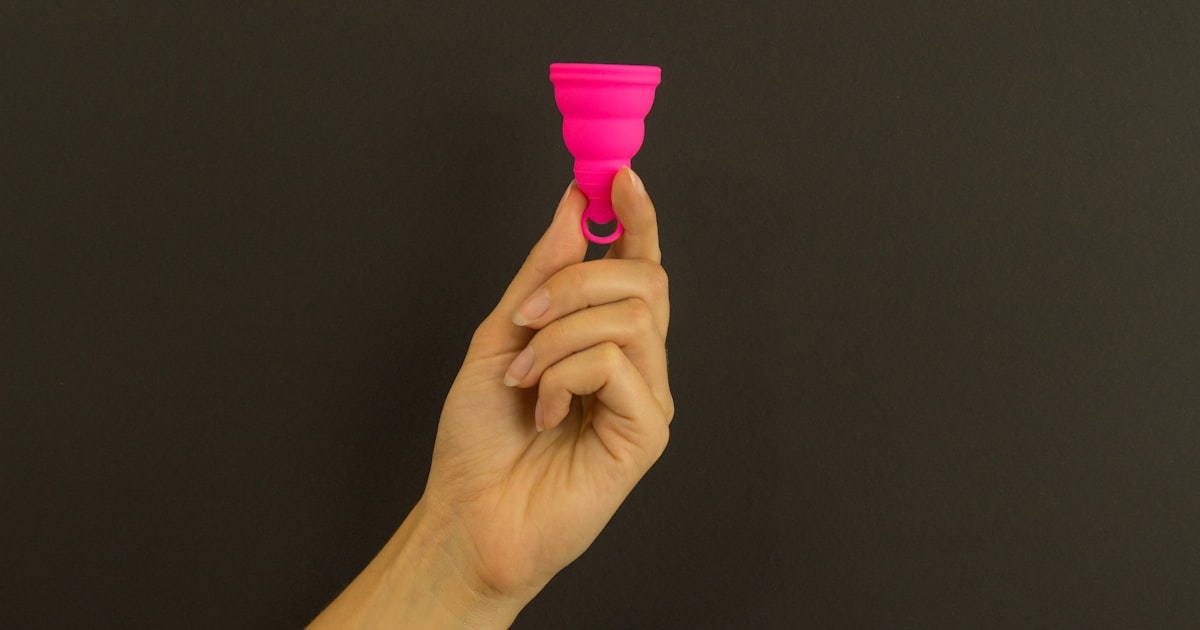
Sanitary pads. Tampons. Menstrual cups. Period discs. Cloth pads. Reusable underwear.
If you're an Indian woman trying to figure out the best period product for your body, you've got more options than ever — but also more confusion. Most of us grew up using pads because that's what was available and that's what we were told to use. Nobody really explained the alternatives.
So let's change that. This guide compares the three most popular options — pads, tampons, and menstrual cups — honestly and without judgment. There's no single "best" product. The right choice depends on your body, your lifestyle, your comfort level, and your priorities.
A Quick Overview
| Feature | Sanitary Pads | Tampons | Menstrual Cups |
|---|---|---|---|
| How it works | Absorbs blood externally | Absorbs blood internally | Collects blood internally |
| Insertion required? | No | Yes | Yes |
| How often to change | Every 4-6 hours | Every 4-8 hours | Every 8-12 hours |
| Reusable? | No (disposable) | No (disposable) | Yes (up to 10 years) |
| Monthly cost (India) | INR 100-300 | INR 200-500 | INR 0 (after one-time purchase) |
| Environmental impact | High waste | High waste | Minimal waste |
| Learning curve | None | Moderate | Steep initially |
| Swimming/sports | Not ideal | Yes | Yes |
Sanitary Pads: The Familiar Option
How They Work
Pads are absorbent strips that stick to the inside of your underwear, catching menstrual blood externally. They come in various sizes (panty liners, regular, large, overnight) and absorbency levels.
Pros
- No insertion required — the simplest option for beginners and anyone not comfortable with internal products
- Widely available everywhere in India — from metro cities to small towns, pharmacies to kirana shops
- Easy to use — no learning curve at all
- Good for overnight use — longer pads with wings provide coverage while you sleep
- Multiple options — ultra-thin, regular, thick/overnight, organic cotton
Cons
- Can feel bulky and uncomfortable — especially thicker varieties in hot Indian weather
- Risk of rashes and irritation — the plastic backing traps heat and moisture, which can cause chafing, especially during summers
- Not ideal for swimming or water activities — pads absorb water and lose effectiveness
- Visible under tight clothing — can create a visible outline
- Must be changed frequently — every 4-6 hours to prevent odor and bacterial growth
- Significant waste — a single person uses approximately 10,000-15,000 pads in their lifetime
Cost in India
- Budget brands (Stayfree, Whisper regular): INR 30-80 per pack (6-8 pads)
- Premium brands (Whisper Ultra, Sofy): INR 80-200 per pack
- Organic/cotton pads (Carmesi, Nua, Pee Safe): INR 150-400 per pack
- Monthly cost: Approximately INR 100-300
Statistic: According to a 2024 study published in Scientific Reports, 77% of Indian women aged 15-24 use disposable hygiene products like sanitary pads as their primary period product. (Source: Scientific Reports, 2024)
Tampons: The Internal Absorber
How They Work
Tampons are small, cylindrical plugs made of absorbent material (usually cotton or rayon) that you insert into the vagina. They absorb menstrual blood internally before it leaves the body. They come with or without applicators, and in various absorbency levels (light, regular, super, super plus).
Pros
- Invisible and discreet — no visible outline, no bulk
- Great for swimming and sports — you can swim, do yoga, play sports, and exercise freely
- Less odor — since blood is absorbed internally, there's less contact with air (which causes the smell)
- Freedom of movement — you genuinely forget you're on your period
- Compact — easy to carry in a small purse or pocket
Cons
- Requires insertion — this can be intimidating or uncomfortable at first, especially if you've never used an internal product before
- Risk of Toxic Shock Syndrome (TSS) — a rare but serious bacterial infection associated with leaving tampons in too long. Always follow usage guidelines.
- Must be changed every 4-8 hours — never leave a tampon in for more than 8 hours
- Can cause dryness — tampons absorb all fluid, including natural vaginal moisture, which can cause dryness or irritation
- Less widely available in India — you'll find them in larger cities and online, but not in every pharmacy
- More expensive than pads — and generate similar waste
Cost in India
- Available brands: Tampax, o.b., Sirona, Pee Safe
- Price: INR 200-500 per box (8-16 tampons)
- Monthly cost: Approximately INR 200-500
TSS: What You Need to Know
Toxic Shock Syndrome is a rare but potentially life-threatening condition caused by toxins produced by bacteria (Staphylococcus aureus). While TSS is often associated with tampon use, it's extremely rare — occurring in roughly 1 in 100,000 menstruating women per year. To minimize risk:
- Never leave a tampon in for more than 8 hours
- Use the lowest absorbency that works for your flow
- Alternate between tampons and pads during your period
- Wash your hands before and after insertion
Statistic: Among Indian medical students surveyed, only 1.4% reported using tampons, compared to 93.7% using sanitary pads and 3.4% using menstrual cups. Tampon usage in India remains low primarily due to cultural barriers around vaginal insertion. (Source: International Journal of Reproduction, Contraception, Obstetrics and Gynecology)
Menstrual Cups: The Sustainable Game-Changer
How They Work
A menstrual cup is a small, flexible, bell-shaped cup made of medical-grade silicone, rubber, or latex. You fold it, insert it into your vagina, and it opens up to create a seal. Instead of absorbing blood, it collects it. When full (or every 8-12 hours), you remove it, empty the blood, rinse, and reinsert.
Pros
- Can be worn for up to 12 hours — the longest wear time of any period product
- Reusable for up to 10 years — one cup replaces thousands of pads
- Massive cost savings — the one-time investment pays for itself within 3-4 months
- Eco-friendly — drastically reduces menstrual waste
- Safe for swimming and all activities — completely internal, no leakage in water
- Holds more than pads or tampons — most cups hold 25-30 ml (about 3-5 times more than a tampon)
- No chemicals or bleach — unlike some pads and tampons, medical-grade silicone cups don't contain fragrances, dioxins, or bleach
- Lower TSS risk than tampons — cups collect rather than absorb, maintaining natural vaginal moisture
Cons
- Steep learning curve — it takes most people 2-3 cycles to get comfortable with insertion, removal, and finding the right fold
- Insertion and removal can be messy — especially when you're learning; you will spill blood on your hands (and that's okay)
- Requires access to clean water — for rinsing between uses, which can be challenging in public restrooms
- Finding the right size matters — cups come in different sizes, and using the wrong one can cause leaks or discomfort
- Not widely available in stores — primarily available online in India, though this is changing
- Cultural barriers in India — concerns about vaginal insertion, virginity, and family disapproval remain significant
Cost in India
- Indian brands: Boondh, SheCup, Shecup, Stonesoup, Sirona
- International brands: DivaCup, Lena Cup, Lunette
- Price: INR 300-1,500 (one-time purchase)
- Monthly cost after purchase: INR 0
- Break-even: 2-4 months compared to pads; 1-2 months compared to tampons
Statistic: The India menstrual cup market was valued at USD 15.43 million in 2025 and is projected to grow at a CAGR of 7.6% through 2033, driven by increasing awareness and environmental consciousness. (Source: Data Bridge Market Research)
Statistic: A systematic review and meta-analysis of menstrual cup adoption in India found that while awareness ranges from 43% to 65% among educated women, actual usage remains below 5% nationally. Fear of vaginal insertion was identified as the primary barrier. (Source: Women & Health, 2024)
What Indian Gynecologists Say
Dr. Aprajita Srivastava, a gynecologist who advocates for menstrual cup use, recommends: "Menstrual cups are a great option as long as women are comfortable using them. They are cost-effective, eco-friendly, and can be worn for up to 12 hours. The key is proper hygiene — always sterilize your cup between cycles by boiling it for 5-7 minutes."
She does caution that she "does not recommend menstrual cups for adolescent girls at menarche" — not because of safety concerns, but because the body is still developing and any internal product should be introduced after a certain level of menstrual maturity.
Dr. Nozer Sheriar, a renowned obstetrician-gynecologist in Mumbai and former secretary-general of FOGSI, has stated: "There is no medical reason to avoid tampons or menstrual cups. The concern about 'losing virginity' from using internal menstrual products is a myth. The hymen is a flexible membrane, and using a tampon or cup does not affect it in any medically meaningful way."
Head-to-Head Comparison: Real Scenarios
Best for Beginners Who've Never Used Period Products
Winner: Pads. No insertion, no learning curve, available everywhere. Start here and explore other options as you get more comfortable with your body.
Best for Active Lifestyles and Sports
Winner: Menstrual cup or tampon. Both allow full freedom of movement. The cup wins on duration (12 hours vs. 8 hours) and doesn't cause dryness.
Best for Swimming
Winner: Menstrual cup or tampon. Pads absorb water and are useless in a pool. Cups and tampons work perfectly for swimming.
Best for Overnight Use
Winner: Menstrual cup. With up to 12 hours of wear time and higher capacity, cups are the most practical overnight option. Long overnight pads are the runner-up.
Best for Travel in India (Long Bus/Train Journeys)
Winner: Menstrual cup. When you're on a 12-hour train ride with questionable bathroom access, a cup's long wear time is unmatched. Pads would need changing; tampons shouldn't be worn beyond 8 hours.
Best for Budget
Winner: Menstrual cup (long-term). One-time purchase of INR 300-1,500 vs. INR 1,200-6,000 per year on pads. Over 10 years, a single cup saves approximately INR 12,000-60,000 compared to disposable products.
Best for the Environment
Winner: Menstrual cup. One cup = 10 years. One pad user generates roughly 125 kg of non-biodegradable waste from period products over their lifetime.
Statistic: A single menstrual cup replaces approximately 2,400 disposable pads or tampons over its 10-year lifespan. (Source: Lancet Public Health, 2019)
The Myths That Hold Indian Women Back
"Using a tampon or cup will break your hymen / take your virginity"
The hymen is not a seal or a freshness barrier. It's a thin, flexible membrane with a natural opening. Many people's hymens stretch or change through everyday activities like exercise, cycling, or stretching — none of which affect virginity. Virginity is not a medical or physical concept; it's a social construct. Using internal period products does not make you any less "pure" or "virgin."
"Menstrual cups are unhygienic"
Medical-grade silicone is non-porous and doesn't harbor bacteria when cleaned properly. A Lancet review of 43 studies involving 3,319 participants confirmed that menstrual cups are a safe method of menstrual management. The rate of adverse effects was just 0.18%. (Source: Lancet Public Health, 2019)
"Tampons and cups get lost inside you"
Anatomically impossible. The cervix sits at the top of the vaginal canal, creating a closed end. Nothing inserted into the vagina can travel further into your body. If a cup feels hard to reach, bearing down (like a gentle push) brings it within reach.
"Pads are the safest option"
All three products are safe when used correctly. Pads are not inherently safer — they can cause rashes, irritation, and bacterial growth if not changed frequently, particularly in India's hot and humid climate.
How to Choose: A Decision Framework
Ask yourself these questions:
- Am I comfortable with vaginal insertion?
- No → Start with pads. You can always try internal products later.
- Yes → Consider tampons (easier to learn) or cups (longer wear, more savings).
- What's my priority?
- Convenience and simplicity → Pads
- Active lifestyle and freedom → Tampons or cups
- Cost savings and sustainability → Menstrual cup
- Maximum wear time → Menstrual cup
- Where do I spend my day?
- At home or near clean bathrooms → Any product works
- At school/college with limited privacy → Pads or a menstrual cup (long wear means fewer changes)
- Outdoors, traveling, or swimming → Tampons or cups
- What's my budget?
- Tight budget → Menstrual cup (best long-term value) or budget pads
- Flexible budget → Try different products and see what works for your body
Trying a Menstrual Cup for the First Time: Practical Tips
If you're cup-curious, here's how to get started:
- Choose the right size. Most Indian brands offer two sizes — smaller (for those under 30 who haven't given birth vaginally) and larger (for those over 30 or who have given birth vaginally). Check the brand's size guide.
- Practice folding. Learn 2-3 folding techniques (the C-fold and punch-down fold are the most popular). Practice outside your period first if you're nervous.
- Use water-based lubricant. A little lube on the rim makes insertion much easier.
- Relax your muscles. Tension makes insertion harder. Try squatting, sitting on the toilet, or putting one foot up on the toilet seat.
- Check the seal. After insertion, run a finger around the base of the cup to make sure it's fully opened. You should feel a slight suction.
- Give yourself 2-3 cycles. Almost nobody gets it perfect the first time. Wear a pad as backup during your learning period.
- Sterilize between cycles. Boil your cup in water for 5-7 minutes before and after each period.
Bonus: Other Options Worth Knowing About
Reusable Cloth Pads
Washable, eco-friendly pads made from cotton or bamboo. Available from Indian brands like EcoFemme and Saukhyam. Good for those who prefer external products but want to reduce waste.
Period Underwear
Underwear with built-in absorbent layers. No pad, tampon, or cup needed. Brands like Modibodi and Adira are available in India. Great for light flow days or as backup.
Menstrual Discs
Similar to cups but sit in the vaginal fornix instead of the vaginal canal. Flatter profile, and some brands allow mess-free emptying. Newer to the Indian market but growing.
Frequently Asked Questions
Can unmarried women use tampons and menstrual cups?
Yes. There is no medical reason why unmarried women cannot use internal period products. The idea that tampons or cups affect virginity is a myth with no basis in anatomy or medicine. Your marital status has nothing to do with which period products you can safely use.
Which period product is best for heavy flow?
For heavy flow, menstrual cups generally perform best because they hold significantly more than pads or tampons (25-30 ml vs. 5-15 ml). Super-absorbency pads and tampons are alternatives. If your flow is consistently soaking through products every 1-2 hours, consult a gynecologist — that level of bleeding may need medical evaluation.
How do I dispose of pads and tampons properly?
Wrap used pads and tampons in their wrapper or toilet paper and dispose of them in a dustbin — never flush them. In India, menstrual waste should go in dry waste. Never throw used products in open drains or water bodies.
Can I use a menstrual cup if I have an IUD?
Generally yes, but check with your gynecologist. The concern is that the cup's suction could potentially dislodge the IUD strings. Your doctor can trim the IUD strings shorter and advise on safe cup use. Breaking the seal before removal is important.
Is it safe to sleep with a tampon in?
Yes, as long as you insert a fresh tampon right before bed and remove it as soon as you wake up — ideally within 8 hours. If you sleep longer than 8 hours, a pad or menstrual cup is a safer choice for overnight use.
The Bottom Line
There's no single "best" period product — there's only the best product for you, right now, given your body, lifestyle, and comfort level. And that choice might change over time. You might use pads in your teens, switch to tampons for swimming season, and try a cup in your 20s. All of that is perfectly fine.
What matters is that you have accurate information to make an informed choice — not one driven by myths, family pressure, or misinformation. Your period, your body, your decision.
Samjho believes everyone deserves to manage their period with comfort, confidence, and zero shame. Whatever product you choose, you're making the right choice for you.
Disclaimer: This article is for informational purposes only and does not constitute medical advice. If you have specific concerns about period products — especially related to allergies, existing medical conditions, or IUDs — consult your healthcare provider.
Sources:
- Menstrual cup safety: systematic review and meta-analysis — Lancet Public Health, 201930111-2/fulltext)
- Menstrual cup adoption in India: systematic review — Women & Health, 2024
- Period product use among young women in India — Scientific Reports, 2024
- Menstrual product preferences among medical students — IJRCOG
- India menstrual cups market report — Data Bridge Market Research
- Gynecologist's advice on menstrual cup safety — SochGreen
- Dr. Aprajita Srivastava on menstrual cups
- India feminine hygiene market report — Mordor Intelligence