Every Contraception Method Available in India: A Complete Guide

By Dr. Meera Iyer
Gynecologist & Sexual Health Educator · MBBS, MS (OBG), Mumbai
Here's a fact that might surprise you: according to NFHS-5 (2019-21) data, 37.9% of contraceptive use in India is female sterilization. The pill accounts for just 5.1%, and IUDs for only 2.1%. India's contraceptive landscape is dominated by permanent methods, leaving most young people unaware of the many reversible options available to them.
If you're sexually active and not ready for a child -- or simply want to plan when and how many children you have -- you deserve to know every option on the table. Not just condoms. Not just "the pill." Everything.
Let's walk through every contraception method currently available in India, with honest information about how each one works, how effective it is, and who it's best for.
Barrier Methods
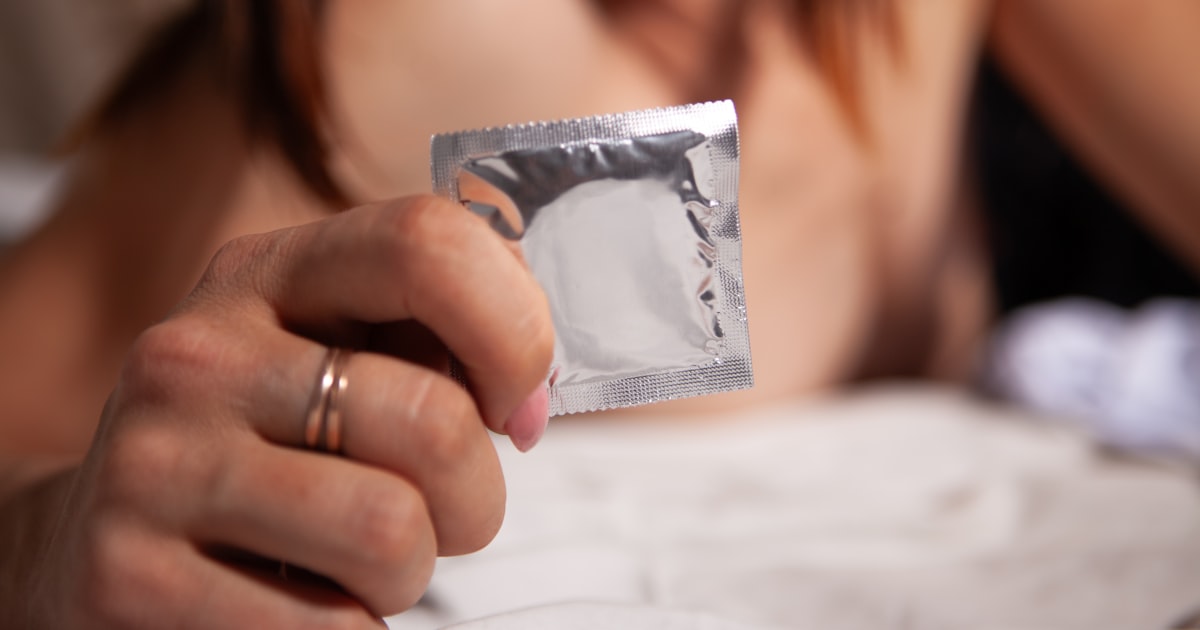
1. Male Condoms
How they work: A thin sheath (usually latex) worn over the penis during sex. Creates a physical barrier that prevents sperm from entering the vagina.
Effectiveness:
- Perfect use: 98%
- Typical use: 87% (about 13 out of 100 people will get pregnant in a year)
Pros:
- Only method that protects against both pregnancy AND STIs (including HIV)
- No prescription needed
- No hormonal side effects
- Widely available -- pharmacies, supermarkets, vending machines, online
- Free through government health centres (Nirodh brand)
Cons:
- Must be used correctly every single time
- Can reduce sensation for some users
- Can break or slip if used incorrectly
- Latex allergy is possible (non-latex options exist)
Cost in India: Rs 10-200 per pack (3 pcs); free through government programmes
Best for: Everyone who wants STI protection along with pregnancy prevention. According to NFHS-5, only 9.5% of contraceptive users in India use condoms -- a number that should be much higher given the dual protection they offer.
2. Female Condoms
How they work: A pouch inserted into the vagina before sex, with rings at both ends to hold it in place.
Effectiveness:
- Perfect use: 95%
- Typical use: 79%
Pros:
- Woman-controlled method
- Protects against STIs
- Can be inserted up to 8 hours before sex
- Non-hormonal
Cons:
- Less widely available in India than male condoms
- More expensive
- Requires practice to insert correctly
Cost in India: Rs 50-150 per piece
3. Diaphragm and Cervical Cap
How they work: A dome-shaped device inserted into the vagina to cover the cervix, used with spermicide.
Effectiveness: 88-94% (with spermicide)
These are rarely used in India and difficult to find. We mention them for completeness, but they're not a practical option for most Indians.
Hormonal Methods
4. Combined Oral Contraceptive Pills (COCPs)
How they work: Daily pills containing two hormones -- estrogen and progestin. They prevent ovulation, thicken cervical mucus, and thin the uterine lining.
Effectiveness:
- Perfect use: 99.7%
- Typical use: 93%
Popular brands in India:
- Mala-N / Mala-D (free through government health centres)
- Novelon (Desogestrel + Ethinyl Estradiol)
- Femilon (lower dose option)
- Yasmin (Drospirenone + Ethinyl Estradiol)
- Ovral-L, Loette
Pros:
- Highly effective when taken correctly
- Can regulate periods and reduce cramps
- May help with acne
- Reversible -- fertility returns quickly after stopping
Cons:
- Must be taken daily at roughly the same time
- Side effects can include nausea, headaches, breast tenderness, mood changes
- Not suitable for women who smoke and are over 35, or those with a history of blood clots
- Does NOT protect against STIs
Cost in India: Rs 30-400 per month depending on brand; Mala-N is free at government centres
Dr. Sujata Misra, Senior Consultant in Obstetrics and Gynaecology, explains: "Combined oral contraceptive pills remain one of the most reliable reversible contraceptive options when taken correctly. The key challenge in India is consistent daily use and overcoming myths about hormonal pills causing infertility or cancer -- neither of which is supported by evidence."
5. Centchroman (Saheli / Chhaya) -- India's Weekly Non-Hormonal Pill
How it works: Contains ormeloxifene, a selective estrogen receptor modulator (SERM) developed by India's CSIR-CDRI. It's taken twice a week for the first three months, then once a week.
Effectiveness: 97-98%
Pros:
- Non-hormonal -- avoids all hormonal side effects
- Only needs to be taken once a week (after initial period)
- Developed in India, specifically for Indian women
- Available free under the government's "Chhaya" programme
- Safe for breastfeeding women
Cons:
- Slightly less effective than COCPs
- Can cause menstrual irregularity, including delayed periods
- Not as widely known or prescribed
Cost in India: Free as "Chhaya" through government centres; Rs 40-100 as Saheli
This is a uniquely Indian innovation. CSIR-Central Drug Research Institute, Lucknow developed centchroman in the 1960s-70s, making India the only country with a non-steroidal oral contraceptive. It's a genuine option worth discussing with your doctor.
6. Progestin-Only Pills (Mini Pills)
How they work: Contain only progestin (no estrogen). They thicken cervical mucus and may suppress ovulation.
Effectiveness: 91-99% depending on consistent use
Pros:
- Suitable for women who cannot take estrogen
- Safe during breastfeeding
- Fewer cardiovascular risks
Cons:
- Must be taken at the exact same time every day (even a 3-hour delay reduces effectiveness)
- Can cause irregular bleeding
- Less forgiving of missed doses
7. Injectable Contraceptives (DMPA -- Antara)
How they work: A progestin injection given every 3 months. Prevents ovulation and thickens cervical mucus.
Effectiveness: Over 99% with perfect use; about 96% with typical use
Available in India as:
- Antara (intramuscular) -- free at government health facilities
- DMPA-SC (subcutaneous, Sayana Press) -- self-injectable version being introduced
Pros:
- One injection lasts 3 months -- no daily pills to remember
- Highly effective
- Private -- no one needs to know you're using it
- Available free at government facilities in multiple states
Cons:
- Requires a healthcare visit every 3 months (unless self-injectable)
- Can cause weight gain, irregular bleeding, or missed periods
- Return to fertility may take 6-10 months after stopping
- Cannot be "undone" once injected
Cost in India: Free at government centres; Rs 200-500 at private clinics
Long-Acting Reversible Contraceptives (LARCs)
8. Copper IUD (Copper-T)
How it works: A small T-shaped device inserted into the uterus by a doctor. The copper creates an environment toxic to sperm and prevents implantation.
Effectiveness: Over 99%
Pros:
- Lasts 5-10 years depending on type
- No hormones
- Can be used as emergency contraception within 5 days of unprotected sex
- Set it and forget it
- Free at government health centres
Cons:
- Requires insertion and removal by a trained provider
- Can cause heavier, more painful periods (especially in the first few months)
- Small risk of expulsion
Cost in India: Free at government centres; Rs 500-2,000 at private clinics (including insertion)
Dr. Ruchika Garg, Professor of Obstetrics and Gynaecology at SN Medical College, Agra, notes: "The copper IUD is one of the most underutilised contraceptive methods in India, with only about 2.1% usage according to NFHS-5. It's safe, highly effective, and lasts for years. The main barrier is lack of awareness and the need for a provider to insert it."
9. Hormonal IUD (Levonorgestrel IUD)
How it works: Similar to Copper-T in shape, but releases a small amount of progestin (levonorgestrel) directly into the uterus.
Effectiveness: Over 99%
Pros:
- Lasts 3-6 years
- Can make periods lighter or stop them entirely
- Low systemic hormonal effects (hormone acts locally)
Cons:
- Less widely available in India than Copper-T
- More expensive
- Requires provider insertion
Cost in India: Rs 4,000-12,000 at private clinics
Permanent Methods
10. Female Sterilization (Tubectomy)
How it works: Surgical procedure that blocks or cuts the fallopian tubes, permanently preventing eggs from reaching the uterus.
Effectiveness: Over 99.5%
This is the most used contraception method in India at 37.9% of all contraceptive use (NFHS-5). However, it's a permanent decision and is appropriate only for those who are certain they don't want future pregnancies.
Available free at government hospitals.
11. Male Sterilization (Vasectomy)
How it works: A minor surgical procedure that cuts or blocks the vas deferens, preventing sperm from being ejaculated.
Effectiveness: Over 99.9%
Pros:
- Simpler, faster, and safer procedure than tubectomy
- Can be done under local anaesthesia
- Recovery in 2-3 days
Cons:
- Considered permanent (reversal is expensive and not always successful)
- Does not take effect immediately -- takes about 3 months for sperm to clear
Despite being simpler and safer than female sterilization, vasectomy accounts for less than 1% of contraception use in India. The gender imbalance in sterilization remains a significant issue.
Natural Methods
12. Withdrawal (Pull-Out Method)
Effectiveness:
- Perfect use: 96%
- Typical use: 78% (about 22 out of 100 people get pregnant)
This is one of the most commonly used methods worldwide but also one of the least reliable. Research shows that 12.9-41% of men have sperm in their pre-ejaculatory fluid. We strongly recommend using this alongside another method.
13. Fertility Awareness Methods (Calendar/Rhythm Method)
Effectiveness: 76-88% with typical use
Involves tracking your menstrual cycle and avoiding sex (or using barriers) during fertile days. Requires regular cycles and careful tracking. Not recommended as a primary method for those who definitely want to avoid pregnancy.
Comparison Chart: At a Glance
| Method | Effectiveness (Typical) | STI Protection | Hormonal | Frequency | Cost |
|---|---|---|---|---|---|
| Male Condom | 87% | Yes | No | Every time | Low/Free |
| Combined Pill | 93% | No | Yes | Daily | Low/Free |
| Centchroman | 97% | No | No | Weekly | Free |
| Injectable (DMPA) | 96% | No | Yes | Every 3 months | Free |
| Copper IUD | 99%+ | No | No | Every 5-10 years | Free/Low |
| Hormonal IUD | 99%+ | No | Yes (local) | Every 3-6 years | Medium |
| Sterilization | 99%+ | No | No | Permanent | Free |
How to Choose the Right Method for You
Consider these factors:
- Do you need STI protection? If yes, condoms are non-negotiable (use them alongside other methods)
- Can you take hormones? If not, consider condoms, copper IUD, or centchroman
- Can you remember a daily pill? If not, consider IUDs, injectables, or weekly centchroman
- Do you want children in the future? If unsure, avoid permanent methods
- What can you afford? Many methods are free through government programmes
- What does your partner think? Contraception works best as a shared decision
Samjho has detailed video guides on each of these methods, including how to use them correctly and what to expect.
Frequently Asked Questions
Can unmarried people access contraception in India?
Yes. There is no legal restriction on selling contraception to unmarried adults in India. Condoms and ECPs are available over the counter. For methods requiring a prescription or procedure (pills, IUDs, injectables), any doctor can prescribe them regardless of marital status.
Will using contraception affect my fertility later?
No. All reversible contraception methods allow fertility to return after you stop using them. This is one of the most persistent myths in India, and it has no scientific basis. With hormonal methods, fertility may take a few months to return, but it does return.
Which method is best for newlyweds?
There's no single "best" method. Many newlywed couples in India start with condoms and then explore hormonal options once they've discussed their family planning goals. Talk to each other and, if helpful, talk to a gynaecologist together.
Are government-provided contraceptives safe and effective?
Yes. Government-provided contraceptives (Nirodh condoms, Mala-N pills, Chhaya, Antara injections, Copper-T) meet the same quality standards as private brands. They're manufactured by reputable pharmaceutical companies and undergo quality testing.
Can I use two methods at the same time?
Yes, and it's actually recommended. Using condoms alongside a hormonal method gives you both STI protection and higher pregnancy prevention. This is called "dual protection."
The Bottom Line
India has more contraception options than most people realise. The right method depends on your health, lifestyle, relationship, and plans for the future. Don't rely on myths, friends' advice, or what worked for someone else. Talk to a healthcare provider, explore your options, and make an informed choice.
Contraception isn't shameful. It's responsible.
Disclaimer: This article is for educational purposes only and does not constitute medical advice. Always consult a qualified healthcare provider before starting or changing a contraception method. Sources include NFHS-5 (2019-21), WHO, and peer-reviewed medical literature.
Sources:
- NFHS-5 India 2019-21
- Usage of contraception among married women in India, 2019-21 -- PMC
- Modern contraceptive use among women in need of family planning in India -- PMC
- WHO Fact Sheet on Condoms
- CSIR -- World's First Non-Steroidal Birth Control Pill
- Injectable Contraceptive (DMPA) -- NHM India
- Copper T IUD Effectiveness -- SMB Corporation