Erectile Dysfunction in Young Men: Causes, Myths, and Real Solutions

By Dr. Meera Iyer
Gynecologist & Sexual Health Educator · MBBS, MS (OBG), Mumbai
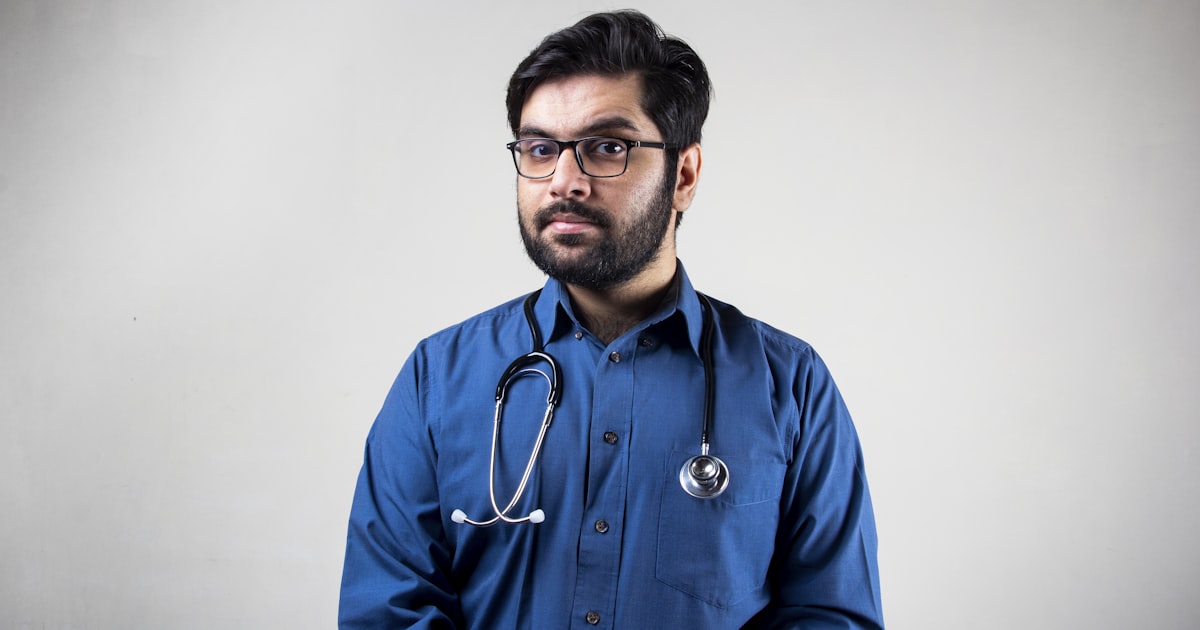
Let's talk about something that millions of young Indian men deal with but almost nobody discusses openly: erectile dysfunction (ED) in your 20s and 30s.
If you've ever been unable to get or keep an erection during a sexual encounter, and you felt like something was seriously wrong with you — take a breath. You're not broken. You're not "less of a man." And you're definitely not alone.
ED isn't just an "old man's problem." Research shows it's increasingly common in younger men, and the causes are often very different from what you'd expect. The good news? Most of the time, it's treatable — and sometimes the fix is simpler than you think.
How Common Is ED in Young Men? The Numbers Might Surprise You
Here's what the research actually shows:
- Prevalence is rising: The reported prevalence of ED in young men has increased from 2%-5% in 1999-2002 to 20%-30% in more recent studies. That's a significant jump. (Source: PMC/National Library of Medicine, 2025)
- In India specifically: A study from southern India found that ED prevalence among men aged 26-30 was 8.6%, while a rural North India study found that 5% of men across all age groups reported ED. These numbers are likely underestimates because of the stigma around reporting it. (Source: PMC, 2018; International Surgery Journal)
- Global scale: By 2025, an estimated 322 million men worldwide are affected by ED. That's roughly the entire population of the United States. (Source: Pubmed/NIH)
- The porn connection: Among men under 35, those who watched 300 minutes or more of pornography per week had a 30% prevalence of ED, compared to 10% in those who watched less than 30 minutes per week. (Source: PMC, 2021)
- Performance anxiety: Sexual performance anxiety affects up to 25% of men and is one of the leading causes of ED in younger age groups. (Source: Journal of Sexual Medicine)
- Under-reported in India: Despite its prevalence, data on ED in India remain limited due to societal stigma, with many men reluctant to report the condition. Most men visit 3-4 healthcare providers — often starting with quack practitioners — before seeing a qualified doctor. (Source: PubMed, 2020)
These aren't small numbers. If you're dealing with this, you're in a very large, very quiet crowd.
What Actually Causes ED in Young Men?
This is where things get important. When a 55-year-old experiences ED, it's often linked to physical causes like heart disease, diabetes, or blood pressure issues. But when a 25-year-old can't get an erection, the cause is usually very different.
Psychological Causes (The Most Common in Young Men)
Dr. Vijayant Govinda Gupta, a Delhi-based urologist and andrologist, explains: "In younger men, erectile dysfunction is overwhelmingly psychological. Performance anxiety, stress, depression, and relationship issues are the primary drivers, not vascular disease."
Here's a breakdown:
1. Performance Anxiety
This is the big one. You're so worried about whether you'll be able to perform that your anxiety literally prevents you from performing. It's a cruel loop: anxiety causes ED, which causes more anxiety, which causes more ED.
This is especially common during:
- First sexual experiences
- A new relationship
- After a previous "failure" (which wasn't actually a failure — it was normal)
- When you feel pressure to "last long" or "satisfy" your partner
2. Stress and Mental Health
Work pressure, exam stress, financial worries, family conflicts — your brain is the most important sexual organ you have. When it's overwhelmed, your body diverts energy away from sexual arousal.
Depression and anxiety disorders are strongly linked to ED in young men. And the medications used to treat depression (SSRIs) can also cause sexual side effects, creating another frustrating cycle.
3. Relationship Issues
Unresolved conflicts, communication problems, lack of emotional intimacy, or fear of vulnerability with a partner can all show up as ED. Your body is sometimes more honest than your words.
4. Porn-Related ED
This is increasingly recognized as a real phenomenon. Here's what happens:
- Regular, heavy pornography use can train your brain to respond only to the intense, novel stimulation of porn
- When you're with a real partner, the stimulation feels "less" by comparison
- An fMRI study found that 11 of 19 compulsive porn users (average age 25) reported diminished libido or erectile function specifically in real-life sexual encounters (Source: Behavioral Sciences, 2016)
- Between 17% and 58% of self-identified heavy porn users report some form of sexual dysfunction
This isn't about moralizing porn use. It's about understanding how your brain's reward system can be affected by overconsumption.
Physical Causes (Less Common in Young Men, But Still Important)
While psychological causes dominate in younger men, these physical factors shouldn't be ignored:
- Diabetes: India is the diabetes capital of the world, and ED is one of the earliest signs of undiagnosed diabetes. Up to 50% of men with Type 2 diabetes experience ED. (Source: Expert Review of Endocrinology & Metabolism, 2025)
- Smoking: Damages blood vessels, including those supplying the penis. Heavy smoking doubles the risk of ED.
- Alcohol: Moderate to heavy drinking directly impairs sexual function
- Obesity: Excess weight affects testosterone levels and blood flow
- Sleep deprivation: Chronic poor sleep disrupts hormone production
- Certain medications: Antidepressants, blood pressure drugs, and even some hair loss medications can cause ED as a side effect
Dr. Sudhir Bhola, a sexual health specialist in Delhi, notes: "Many young men come to me after trying Ayurvedic supplements or herbal remedies they found online. Some of these contain undisclosed pharmaceutical compounds that can be dangerous. Always consult a qualified doctor first."
The Myths That Make Everything Worse
Myth 1: "If you can't get it up, you're not a real man"
Reality: Erections are a complex physiological process involving your brain, hormones, nerves, blood vessels, and emotional state. Having trouble with one doesn't define your masculinity any more than having a headache defines your intelligence.
Myth 2: "ED means you're not attracted to your partner"
Reality: ED is almost never about attraction. It's about anxiety, stress, health, or habit patterns. Many men with ED are deeply attracted to their partners and still experience this issue.
Myth 3: "Young men shouldn't have this problem"
Reality: Up to 30% of men under 40 experience ED at some point. It's common, it's normal, and it's treatable. Age is not the only factor.
Myth 4: "Just take Viagra and you'll be fine"
Reality: While PDE5 inhibitors (like sildenafil/Viagra or tadalafil/Cialis) can help, they don't address the underlying cause — especially if it's psychological. Taking a pill without understanding why you're experiencing ED is like taking painkillers for a broken bone without setting it.
Myth 5: "Masturbation caused your ED"
Reality: There is no scientific evidence that normal masturbation causes erectile dysfunction. However, excessive porn use combined with masturbation can create a pattern of arousal that makes it harder to respond to real-world stimulation. The issue isn't masturbation — it's the conditioning.
Myth 6: "Ayurvedic supplements can cure ED"
Reality: Most Ayurvedic ED supplements are unregulated and unproven. Some have been found to contain undisclosed sildenafil or tadalafil, which can be dangerous if taken without medical supervision. A study found that nearly half of men with sexual health concerns first visited unqualified practitioners before seeing a real doctor. Don't waste your money or risk your health.
Real Solutions That Actually Work
1. Talk to a Real Doctor
This is step one. A urologist, andrologist, or sexual health specialist can figure out whether your ED is psychological, physical, or both — and create an actual treatment plan.
What to expect at the appointment:
- Medical history questions (they've heard it all before, no judgment)
- Physical examination
- Possibly blood tests (to check testosterone, blood sugar, cholesterol)
- Sometimes, a questionnaire about your sexual function
Where to go in India:
- Government hospitals have urology departments with subsidized consultations
- Private urologists and andrologists in major cities
- Online platforms like Practo, Lybrate, or Apollo 24|7 for initial teleconsultations
2. Address the Psychological Component
If your ED is primarily psychological — and for most young men, it is — these approaches have strong evidence behind them:
- Cognitive Behavioral Therapy (CBT): Helps break the anxiety-ED cycle by challenging the thought patterns that fuel performance anxiety. Studies show 6-12 sessions can make a significant difference.
- Sex therapy or psychosexual counseling: A trained therapist helps you and (ideally) your partner work through anxiety, communication issues, and performance pressure
- Mindfulness and relaxation techniques: Learning to be present during intimacy rather than "spectating" (watching and judging your own performance) can dramatically improve function
3. Lifestyle Changes
These are free, have no side effects, and improve your overall health:
- Exercise: Moderate-intensity exercise (like 30 minutes of brisk walking most days) improves cardiovascular health and blood flow — including to the penis. Research shows it can improve ED symptoms on its own
- Better sleep: Aim for 7-9 hours. Chronic sleep deprivation tanks testosterone levels
- Reduce or quit smoking: Blood vessel damage from smoking is reversible if you stop early enough
- Limit alcohol: Occasional drinking is fine; regular heavy drinking impairs sexual function
- Manage stress: Whatever works for you — exercise, meditation, hobbies, therapy
4. Reconsider Your Porn Habits
If you think porn might be contributing:
- Try a 30-60 day break from pornography
- Notice whether your arousal responses change with a real partner
- If they do, consider significantly reducing your consumption
- This isn't about shame — it's about understanding what your brain has been trained to respond to
5. Medication (When Appropriate)
When a doctor determines medication would help:
- Sildenafil (Viagra): Works for 4-6 hours, taken 30-60 minutes before sex. Available in India by prescription
- Tadalafil (Cialis): Lasts up to 36 hours, offering more spontaneity. Also available by prescription
- Important: These are Schedule H prescription drugs in India. Buying them without a doctor's guidance is unsafe — they can interact with other medications and aren't suitable for everyone
Dr. Govinda Gupta adds: "Lifestyle changes are quite effective in treating the underlying causes of ED. Backed with proper medication and treatment, they can bring significant improvement. The key is talking to a doctor who can recommend the right approach based on your specific health profile."
6. Communicate With Your Partner
If you're in a relationship, talking to your partner about what's happening can be one of the most powerful things you do. Many men avoid this conversation because of shame, but partners are usually far more understanding than you expect.
Tips for the conversation:
- Be honest: "I've been having trouble with erections, and it's not about my attraction to you"
- Explain that it's common and treatable
- Ask for patience and support
- Explore intimacy beyond penetration — there's a lot more to sex than one specific act
When to See a Doctor Immediately
While most ED in young men is psychological and treatable, see a doctor promptly if:
- You consistently cannot get an erection at all (not even during masturbation or upon waking)
- You have pain with erections
- You notice a curve or deformity in your penis
- ED appeared suddenly after starting a new medication
- You have symptoms of diabetes (excessive thirst, frequent urination, fatigue)
- You experience numbness or tingling in your genital area
These could indicate underlying physical conditions that need medical attention.
Frequently Asked Questions
Is it normal to sometimes not get an erection?
Absolutely. Every man experiences this at some point. Stress, tiredness, alcohol, nervousness — all of these can temporarily affect erections. It only becomes a clinical concern if it happens regularly (more than 50% of the time) over several months.
Can ED in your 20s be a sign of heart disease?
It can be, though it's rare at that age. ED and heart disease share the same risk factors (poor blood vessel health), so persistent ED — especially with no psychological explanation — is worth investigating with a doctor who can check your cardiovascular health.
Will ED go away on its own?
If it's caused by temporary stress, a bad experience, or a relationship issue, it often does resolve when the underlying cause is addressed. If it's caused by lifestyle factors (smoking, poor diet, sedentary life), it typically improves with lifestyle changes. If it persists for more than a few months, see a doctor.
Are herbal or Ayurvedic ED products safe?
Most are unregulated and unproven. Some contain hidden pharmaceutical ingredients that can interact dangerously with other medications. The safest approach is to see a qualified doctor and use prescribed treatments.
Does masturbation cause ED?
Normal masturbation does not cause ED. However, excessive use of pornography during masturbation can create arousal patterns that make it harder to respond to real-world sexual stimulation. If you're concerned, try reducing porn use and see if your function improves.
The Bottom Line
Erectile dysfunction in your 20s or 30s is common, it's mostly psychological, and it's very treatable. The worst thing you can do is suffer in silence, turn to quack remedies, or let shame stop you from getting help.
Your body isn't broken. Your "manliness" isn't in question. You're dealing with a medical issue that has real, evidence-based solutions.
The first step is always the hardest — but talking to a doctor, a therapist, or even your partner can change everything.
On Samjho, we break down topics like this because we believe everyone deserves access to accurate, shame-free sexual health information. Because knowing the facts is the first step to feeling better.
Disclaimer: This article is for educational purposes only and does not constitute medical advice. Please consult a qualified healthcare professional for diagnosis and treatment of erectile dysfunction.
Sources:
- PMC/National Library of Medicine — Erectile Dysfunction in Young Adults (2025)
- Association of Sexual Health and Mental Health in Erectile Dysfunction: Expert Opinion From the Indian Context — PMC (2024)
- An epidemiological study of sexual disorders in south Indian rural population — PMC
- Prevalence and correlates of sexual health disorders in rural North India — PMC (2018)
- Associations Between Online Pornography Consumption and Sexual Dysfunction — PMC (2021)
- Expert Review of Endocrinology & Metabolism — ED prevalence in Type 2 diabetes in India (2025)
- Erectile Dysfunction: A Review on Prevalence, Perceptions, Diagnosis and Management in India — PubMed (2020)