Emergency Contraception in India: Everything You Need to Know

By Dr. Meera Iyer
Gynecologist & Sexual Health Educator · MBBS, MS (OBG), Mumbai
You had unprotected sex. Maybe the condom broke, maybe you forgot your pill, maybe things just happened. Now you're panicking and googling at 2 AM.
Take a breath. You're not the first person this has happened to, and there's a clear, time-sensitive solution. Let's talk about emergency contraception -- what it is, how it works, and exactly what to do right now.
What Is Emergency Contraception?
Emergency contraception (EC) is a backup method to prevent pregnancy after unprotected sex or contraceptive failure. It is not a regular birth control method -- it's a safety net for when your primary method fails or isn't used.
There are two main types available in India:
- Emergency contraceptive pills (ECPs) -- the most common and accessible option
- Copper IUD (Copper-T) -- inserted by a doctor within 5 days of unprotected sex
This guide focuses primarily on ECPs, since they're what most young Indians reach for in an emergency.
How Emergency Contraceptive Pills Work
Let's clear up the biggest misconception first: emergency contraceptive pills are not abortion pills. They do not terminate an existing pregnancy.
ECPs contain levonorgestrel, a synthetic form of the hormone progesterone. Here's what they actually do:
- Delay or prevent ovulation -- If your ovary hasn't released an egg yet, the pill stops or delays that process
- Prevent fertilization -- If an egg has been released, the pill may prevent sperm from reaching it
- Alter the uterine lining -- This may make it harder for a fertilized egg to implant
Dr. Nozer Sheriar, former Secretary General of the Federation of Obstetric and Gynaecological Societies of India (FOGSI), has stated: "Emergency contraceptive pills work primarily by delaying ovulation. They do not cause abortion. If a woman is already pregnant, these pills will not harm the pregnancy."
The World Health Organization confirms that ECPs containing levonorgestrel "do not interrupt an established pregnancy" and are safe for use.
ECP Brands Available in India
Several brands are available over the counter at pharmacies across India. The most common ones:
| Brand | Active Ingredient | Dose | Approximate Price |
|---|---|---|---|
| i-Pill | Levonorgestrel 1.5 mg | Single dose | Rs 90-120 |
| Unwanted 72 | Levonorgestrel 1.5 mg | Single dose | Rs 80-100 |
| Pill 72 | Levonorgestrel 1.5 mg | Single dose | Rs 70-90 |
| Truston 2 | Levonorgestrel 0.75 mg x 2 | Two doses, 12 hours apart | Rs 60-80 |
All of these contain the same active ingredient (levonorgestrel) and work in the same way. The difference is branding and price, not effectiveness.
Timing Is Everything: The 72-Hour Window
The sooner you take the pill, the better it works. Here's how effectiveness changes with time:
- Within 24 hours: Up to 95% effective
- Within 48 hours: About 85% effective
- Within 72 hours: About 58% effective
After 72 hours, effectiveness drops significantly. Some studies suggest levonorgestrel may have some effect up to 120 hours (5 days), but it's far less reliable.
The bottom line: don't wait. If you think you need emergency contraception, take it as soon as possible.
How to Take an ECP
For single-dose pills like i-Pill or Unwanted 72:
- Take one tablet as soon as possible after unprotected sex
- You can take it with or without food
- If you vomit within 2 hours of taking the pill, take another dose
For two-dose pills like Truston 2:
- Take the first tablet as soon as possible
- Take the second tablet 12 hours later
No prescription is needed. You can buy ECPs over the counter at any pharmacy in India.
Side Effects: What to Expect
Most side effects are mild and temporary. Here's what you might experience:
Common side effects (usually last 1-2 days):
- Nausea (15-25% of users)
- Headache
- Fatigue
- Dizziness
- Lower abdominal pain
- Breast tenderness
Effects on your period:
- Your next period may come early, late, or be heavier or lighter than usual
- Spotting or irregular bleeding in the days following the pill is normal
- If your period is more than 7 days late, take a pregnancy test
Dr. Duru Shah, past president of FOGSI and Director of Gynaecam Hospital, Mumbai, notes: "The side effects of emergency contraceptive pills are self-limiting and resolve within 24-48 hours in most cases. Nausea is the most common complaint, but it rarely leads to vomiting. These are very safe medications when used as directed."
Who Needs Emergency Contraception?
EC is for anyone who has had sex without adequate contraception. Common situations include:
- Condom broke or slipped off during intercourse
- Missed birth control pills -- two or more missed pills followed by unprotected sex
- No contraception was used -- things happened in the moment
- Forced or coerced sex -- if you did not consent, you still have every right to protect yourself from pregnancy
- Contraceptive failure -- diaphragm moved, IUD expelled, or other method failed
According to a study in the Indian Journal of Obstetrics and Gynecology Research, the most common reason women in India use ECPs is condom failure (38%), followed by unprotected sex without any contraception (31%), and missed oral contraceptive pills (16%).
You don't need to justify why you need an ECP. The reason doesn't matter. What matters is that you access it quickly.
5 Critical Things to Know About ECPs
1. ECPs Are Not Regular Contraception
This bears repeating. ECPs are less effective than regular contraception methods and have more side effects when used frequently. They're a backup plan, not Plan A.
According to NFHS-5 data, only 48% of Indian women even know about emergency contraceptive pills, and less than 1% (0.55%) have ever used them. The low usage isn't because they aren't needed -- it's because awareness is so low.
2. They Don't Protect Against STIs
ECPs prevent pregnancy only. They do nothing against HIV, chlamydia, gonorrhoea, or any other sexually transmitted infection. If you've had unprotected sex and are concerned about STIs, visit a doctor for testing.
3. They Won't Affect Your Future Fertility
Research consistently shows that ECPs have no long-term effect on fertility. You can get pregnant in your very next cycle after taking one. This is why follow-up contraception is important.
4. Repeated Use Isn't Dangerous, But It's Not Ideal
Using ECPs multiple times won't cause permanent harm, but it can lead to menstrual irregularities and is less effective than regular contraception. If you find yourself needing ECPs frequently, it's a signal to consider a regular contraception method.
5. The Copper IUD Is the Most Effective Emergency Contraception
A copper IUD (Copper-T) inserted within 5 days of unprotected sex is over 99% effective at preventing pregnancy -- making it the most effective form of emergency contraception. It also doubles as ongoing contraception for up to 10 years. The downside: it requires a doctor visit and insertion procedure.
Common Myths About Emergency Contraception
| Myth | Reality |
|---|---|
| "ECPs cause abortions" | No. ECPs prevent pregnancy from occurring. They do not affect an existing pregnancy. |
| "ECPs are the same as the abortion pill" | No. The abortion pill (mifepristone + misoprostol) is an entirely different medication with a different mechanism. ECPs contain levonorgestrel only. |
| "Using ECPs will make you infertile" | No evidence supports this. Fertility returns in the very next cycle. |
| "ECPs are harmful to your health" | When used as directed, ECPs are very safe. The WHO includes them on its List of Essential Medicines. |
| "You need your husband's or partner's permission" | No. ECPs are your decision alone. No one else's consent is required. |
| "Taking ECPs multiple times causes cancer" | No scientific evidence links ECP use to any form of cancer. |
India's low ECP awareness rate -- only 48% of women know about them -- means that myths like these go unchallenged in communities where formal sex education is absent. Breaking down these myths is critical for public health.
Where to Get Emergency Contraception in India
- Any pharmacy/medical store: ECPs are available over the counter without a prescription
- Online pharmacies: Apps like 1mg, PharmEasy, and Netmeds stock ECPs
- Government health centres: Available through ASHA workers and primary health centres
- Hospitals: Both government and private hospitals
You don't need anyone's permission. You don't need to be married. You don't need to explain yourself to the pharmacist. It's your legal right to buy ECPs.
What If It's Been More Than 72 Hours?
If more than 72 hours have passed since unprotected sex:
- Consider a copper IUD: Effective up to 5 days (120 hours) after unprotected sex. Visit a gynaecologist.
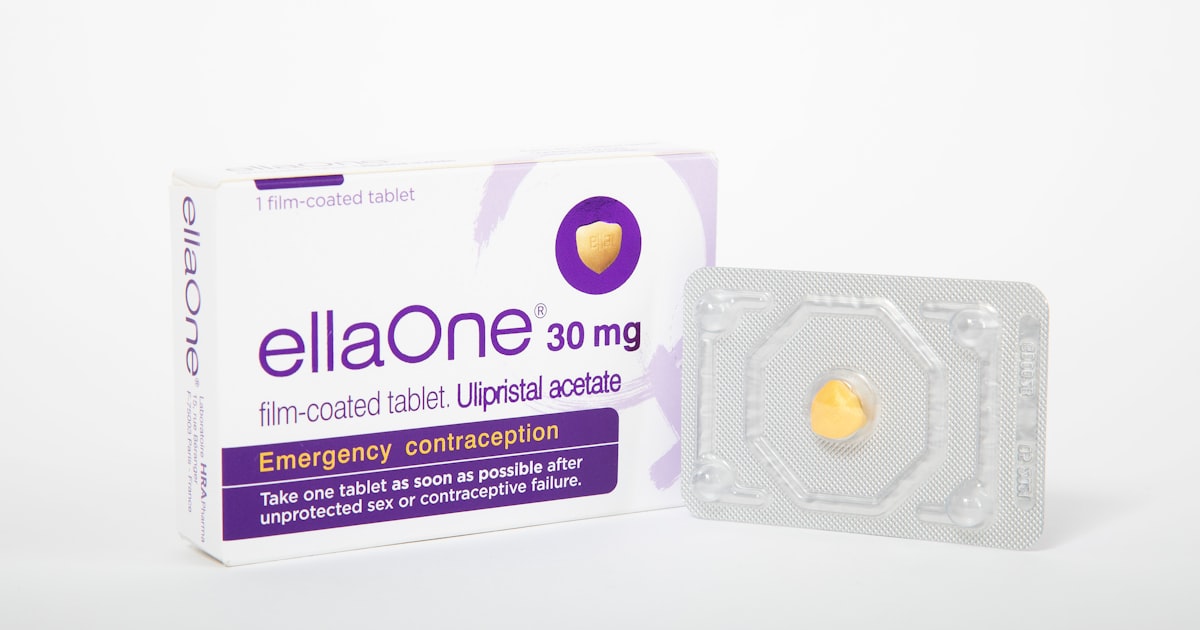
- Ulipristal acetate (EllaOne): A newer ECP effective up to 5 days, but availability in India is limited.
- Wait and watch: If your period comes on time, you're likely not pregnant. If it's more than 7 days late, take a home pregnancy test.
If you are pregnant and don't wish to continue the pregnancy, medical termination of pregnancy (MTP) is legal in India up to 24 weeks under the MTP Amendment Act, 2021. Consult a registered medical practitioner.
After Taking the ECP: Next Steps
- Track your next period: Mark the date and note any changes
- Take a pregnancy test: If your period is more than 7 days late
- Start regular contraception: Talk to a doctor about daily pills, condoms, IUDs, or other methods
- Consider STI testing: If you've had unprotected sex with a new partner
Samjho has short video explainers on all contraception methods available in India -- including how each one works, effectiveness rates, and how to choose the right one for you.
Frequently Asked Questions
Can the pharmacist refuse to sell me an ECP?
No. ECPs are Schedule H over-the-counter medications in India. Any pharmacist can sell them to any adult without asking questions. If a pharmacist refuses or makes you uncomfortable, try another pharmacy or order online.
Will the ECP work if I'm already pregnant?
No. If you are already pregnant, the ECP will not terminate the pregnancy or harm the foetus. ECPs only work by preventing pregnancy -- they cannot end one.
Can I take the ECP while breastfeeding?
Yes. The WHO classifies levonorgestrel-based ECPs as safe for breastfeeding mothers. The small amount of hormone that enters breast milk is not harmful to infants.
How many times can I use ECPs in a month?
While there's no strict medical limit, using ECPs multiple times in the same cycle can cause significant menstrual irregularity. If you need contraception regularly, talk to a doctor about daily pills, IUDs, or other methods.
Does the ECP cause weight gain or infertility?
No evidence supports either claim. ECPs do not cause weight gain or affect long-term fertility. These are myths.
The Bottom Line
Emergency contraception is safe, effective, and legal in India. The most important thing to remember: time matters. The sooner you take it, the better it works. Don't let shame or embarrassment stop you from protecting yourself.
If this feels embarrassing to read or act on, that's completely understandable. Most of us grew up without proper sex education. But knowing this information could genuinely change the course of your life.
Disclaimer: This article is for educational purposes only and does not constitute medical advice. Always consult a qualified healthcare provider for medical decisions. Sources include the World Health Organization, FOGSI, and peer-reviewed research published in PMC and The Lancet.
Sources: