Acne, Body Odor, and Growing Pains: Managing the Awkward Side of Puberty

By Rahul Verma
Youth Sex Educator & Workshop Facilitator · M.A. Public Health, JNU
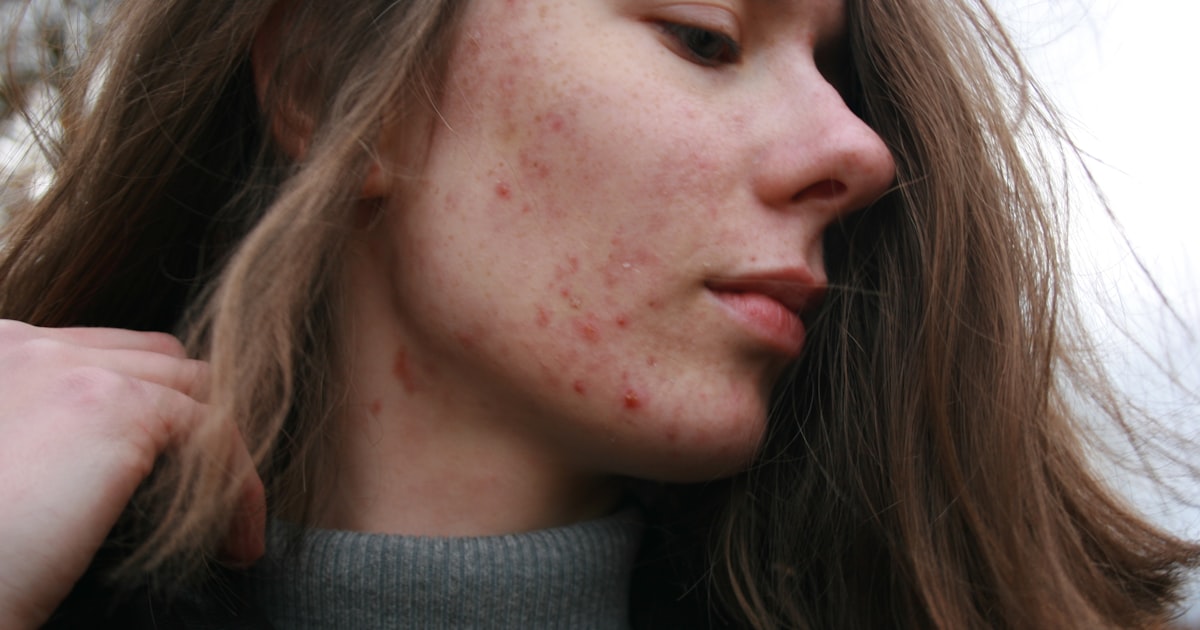
Let's be real -- puberty is messy. One day you're a kid, and the next you're dealing with pimples popping up like uninvited guests, body odour that seems to come out of nowhere, random aches in your legs at night, and a voice that cracks at the worst possible moment. Sound familiar?
Here's the good news: every single one of these things is normal. Your body is basically under construction, and construction sites are never pretty. But knowing why these changes happen and how to manage them can make the whole experience way less stressful.
So here's your no-judgment, no-awkwardness guide to the most common "ugh, why is this happening to me?" moments of puberty.
1. Acne: The Uninvited Guest That Won't Leave
Why It Happens
During puberty, your body starts producing higher levels of hormones called androgens (both boys and girls produce them). These hormones send a signal to your skin's oil glands (sebaceous glands) to go into overdrive, producing more sebum -- that oily substance that keeps your skin moisturised.
The problem? Too much sebum + dead skin cells = clogged pores = pimples, blackheads, and whiteheads.
How Common Is It?
Very. Acne was present in 72.3% of adolescents in a study of 1,032 Indian school children (Indian Journal of Paediatric Dermatology, 2017). Of those, 81.9% had mild acne, 17.1% had moderate acne, and 0.9% had severe acne. In late pubertal boys, acne prevalence reached 85% (PMC, 2025).
So if you have acne, you're in the majority. Literally.
Dr Akanksha Sanghvi, dermatologist: "In clinical practice, we often see teen and adult acne being treated the same way, which is where the problem begins. Understanding these differences is key to managing acne effectively at any stage of life."
What Actually Helps
- Wash your face twice daily with a gentle, non-comedogenic (won't clog pores) cleanser. Harsh soaps make it worse, not better.
- Don't pop or squeeze pimples. This can cause scarring and spread bacteria. We know it's tempting. Still don't do it.
- Use products with salicylic acid or benzoyl peroxide -- these are available over the counter at any chemist in India.
- Change your pillowcase frequently. Oil and bacteria build up on fabric.
- Stay hydrated and eat balanced meals. Greasy food doesn't directly cause acne (that's a myth), but overall nutrition affects skin health.
- See a dermatologist if your acne is moderate to severe, painful, or causing scarring. In India, quality of life was affected in 29% of adolescents with acne, and it gets worse with severity.
What Doesn't Help
- Toothpaste on pimples (this can burn your skin)
- Scrubbing your face aggressively (irritation = more breakouts)
- "Detox" drinks or supplements with no scientific backing
- Touching your face constantly
2. Body Odour: When You Start Noticing Your Own Smell
Why It Happens
Before puberty, your sweat glands (eccrine glands) produced mostly water and salt -- basically odourless. But puberty activates a new type of sweat gland called apocrine glands, located in your armpits, groin, and around your nipples.
These glands produce a thicker sweat that contains proteins and lipids. When bacteria on your skin break down this sweat, that's what creates body odour. The sweat itself isn't smelly -- it's the bacteria feasting on it that produces the stink.
How Common Is It?
Universal. Every single person who goes through puberty develops body odour. It's one of the earliest signs of puberty, often showing up before acne or growth spurts.
What Actually Helps
- Shower or bathe daily, especially after physical activity. Pay attention to armpits, groin, and feet.
- Use deodorant or antiperspirant. Deodorant masks odour; antiperspirant reduces sweating. Start with a mild one -- you don't need the strongest formula at 14.
- Wear clean clothes daily, especially underwear and socks. Bacteria love to hang out on yesterday's t-shirt.
- Choose breathable fabrics. Cotton and linen are better than synthetic fabrics in India's heat. They let sweat evaporate instead of trapping it.
- Carry a spare t-shirt if you're physically active during the day.
What's Normal vs. What's Not
Some body odour is completely normal and expected. But if you notice an extremely strong, unusual smell that doesn't improve with regular hygiene, it's worth mentioning to a doctor. Rarely, conditions like bromhidrosis (excessive odour) may need specific treatment.
3. Growth Spurts and Growing Pains
Why They Happen
During puberty, your body can grow at a rate of 8-12 centimetres per year during peak growth spurts. Your bones are lengthening rapidly, and your muscles, tendons, and ligaments are trying to keep up.
"Growing pains" -- those dull, aching sensations usually felt in the legs, especially at night -- are thought to be caused by this rapid musculoskeletal growth. While some doctors debate the exact mechanism, the experience is very real and very common.
How Common Are They?
Growing pains affect an estimated 25-40% of children and adolescents worldwide (American Academy of Pediatrics). They're most common between ages 8-15 and usually happen in the evening or at night.
What Actually Helps
- Gentle stretching before bed can reduce nighttime aches
- A warm compress or heating pad on the sore area
- Gentle massage of the legs or affected muscles
- Over-the-counter pain relief like paracetamol if the pain is significant (ask a parent or pharmacist for age-appropriate dosing)
- Staying active during the day -- exercise actually helps, even though it feels counterintuitive
When to See a Doctor
Growing pains are usually harmless. But see a doctor if:
- Pain is in only one leg consistently
- Pain persists during the daytime and doesn't go away
- There's swelling, redness, or warmth in the painful area
- Pain is accompanied by fever or weight loss
- The pain is severe enough to interfere with daily activities
4. Voice Changes: The Cracking and Squeaking Phase
Why It Happens
This is primarily a change that affects boys, though girls' voices also deepen slightly during puberty. In boys, rising testosterone levels cause the larynx (voice box) to grow larger and the vocal cords to lengthen and thicken. During this growth period, your vocal cords can vibrate unpredictably, causing your voice to crack, squeak, or shift pitch unexpectedly.
How Long Does It Last?
The voice-changing phase typically lasts 3-12 months, though it can occasionally take up to two years for the voice to fully settle. Boys' voices usually drop about an octave during puberty.
What Actually Helps
- There's nothing to "fix" -- this is your body developing normally
- Don't try to force your voice deeper or higher; let it settle naturally
- Stay hydrated -- dry vocal cords crack more
- If you're teased about it, remember: every adult man you know went through this exact same phase
5. Stretch Marks: Your Skin's Growth Receipts
Why They Happen
When your body grows faster than your skin can stretch, the collagen and elastin fibres in the deeper layers of skin (dermis) can tear. This creates stretch marks -- those pink, red, purple, or silvery lines that often appear on the thighs, hips, buttocks, breasts, upper arms, and back.
How Common Are They?
Extremely common during puberty. Studies show that up to 70% of adolescent girls and 40% of adolescent boys develop stretch marks during growth spurts.
What Actually Helps
- Keeping skin moisturised can improve skin elasticity, though it won't prevent stretch marks entirely
- Staying hydrated supports skin health
- Time is the most effective treatment -- stretch marks almost always fade from red/purple to silvery/white over months to years
- Don't waste money on "miracle" creams that promise to remove stretch marks. Most have no scientific evidence behind them.
Stretch marks are so common that they're essentially a universal sign that your body grew. That's it. That's all they mean.
6. Excess Sweating: It's Not Just You
Why It Happens
Puberty increases the number and activity of your sweat glands. Add to that the anxiety and self-consciousness of being a teenager, and you've got a recipe for sweaty palms, sweaty armpits, and sweaty everything.
In India's climate, this can feel especially intense. Heat + humidity + newly activated sweat glands = a lot of sweat. It's biology, not a hygiene problem.
What Actually Helps
- Wear breathable fabrics and avoid tight synthetic clothing
- Apply antiperspirant at night -- this is when your sweat glands are least active, so the active ingredients can actually block them more effectively
- Carry a small towel or handkerchief if you sweat heavily
- Talcum powder or antifungal powder in skin folds can help prevent heat rash
- If sweating is extreme and affecting your daily life (soaking through clothes, avoiding social situations), a doctor can help. Hyperhidrosis is a treatable medical condition.
7. Mood Swings and Emotional Rollercoasters
Why They Happen
The same hormones causing all these physical changes are also affecting your brain. Oestrogen, progesterone, and testosterone influence neurotransmitters like serotonin and dopamine, which regulate mood. Your prefrontal cortex -- the part of the brain responsible for impulse control and rational thinking -- is still developing until your mid-20s.
Result? Big emotions. Sudden irritability. Crying over something that wouldn't have fazed you last year. Feeling intensely happy one hour and frustrated the next.
What Actually Helps
- Recognise that your feelings are real even if the intensity feels disproportionate
- Physical activity is one of the most effective mood regulators -- even a 20-minute walk helps
- Sleep matters enormously. Teenagers need 8-10 hours. Most Indian teens don't get enough.
- Talk to someone if you're feeling overwhelmed, persistently sad, or anxious for weeks at a time
The Bottom Line: Puberty Is Temporary, Your Body Is Permanent
Every awkward, uncomfortable, confusing change you're experiencing right now is temporary. The acne will improve. The growing pains will stop. Your voice will settle. The sweating will become more manageable.
What stays? A body that works, grows, and carries you through life. That body deserves respect, not shame.
At Samjho, we cover all of these topics in short, easy-to-understand videos -- because we believe the sex education you deserved in school shouldn't be embarrassing to access. Check out our puberty series for more.
And remember: if reading this felt a little embarrassing, that's totally normal too. Most of us grew up without proper education about our own bodies. The fact that you're here learning is a great sign.
FAQs
At what age does puberty start in India?
Puberty typically begins between ages 8-13 for girls and 9-14 for boys. In India, the average age of onset has been gradually decreasing over the decades, likely due to improved nutrition. However, there's a wide range of "normal" -- starting puberty at 9 or at 14 are both within the expected window.
Is it normal to get acne on my back and chest, not just my face?
Yes, completely normal. The back (bacne) and chest have a high concentration of oil glands, just like your face. Body acne follows the same mechanism -- hormones, oil, clogged pores. The same treatments apply: gentle cleansing, breathable clothing, and seeing a dermatologist if it's severe.
Why do I smell worse than my friends even though I shower daily?
Body odour intensity varies based on genetics, the composition of your skin bacteria, diet, stress levels, and even the type of clothing you wear. Some people naturally produce more apocrine sweat. If regular hygiene and deodorant aren't helping, a dermatologist can recommend clinical-strength solutions.
Will my stretch marks ever go away completely?
Stretch marks typically fade significantly over time but may not disappear entirely. Fresh stretch marks (red, pink, or purple) will usually fade to thin, silvery lines that are much less noticeable. This process can take 6-12 months. They're incredibly common and nothing to be worried about.
Should I be worried about growing pains?
Typical growing pains are harmless -- they come and go, affect both legs, happen mainly at night, and don't involve swelling or redness. If pain is persistent, one-sided, accompanied by swelling, or severe enough to limp, see a doctor to rule out other causes. But in most cases, growing pains are just your body doing its job.
Sources
- Indian Journal of Paediatric Dermatology. "Epidemiological patterns of acne vulgaris among adolescents" (2017). https://journals.lww.com/ijpd/fulltext/2017/18030/epidemiological_patterns_of_acne_vulgaris_among.8.aspx
- PMC. "Adolescent acne: association to sex, puberty, testosterone and dihydrotestosterone" (2025). https://pmc.ncbi.nlm.nih.gov/articles/PMC12002860/
- India TV News. "Teen acne vs adult acne: A dermatologist explains the key differences" (2026). https://www.indiatvnews.com/lifestyle/beauty/teen-vs-adult-acne-differences-treatment-guide-2026-04-01-1035837
- MentalHelp.net. "Puberty-Related Hygiene Concerns: Body Odor, Acne and Menstruation." https://www.mentalhelp.net/adolescent-development/puberty/hygiene-concerns-body-odor-acne-and-menstruation/
- American Academy of Pediatrics. "Growing Pains." https://www.healthychildren.org/English/health-issues/conditions/growing-pains/
- PMC. "Factors Aggravating or Precipitating Acne in Indian Adults" (2018). https://pmc.ncbi.nlm.nih.gov/articles/PMC6052742/
- Nemours KidsHealth. "Understanding Puberty." https://kidshealth.org/en/parents/understanding-puberty.html